From Idea to Product: The Role of Outsourcing
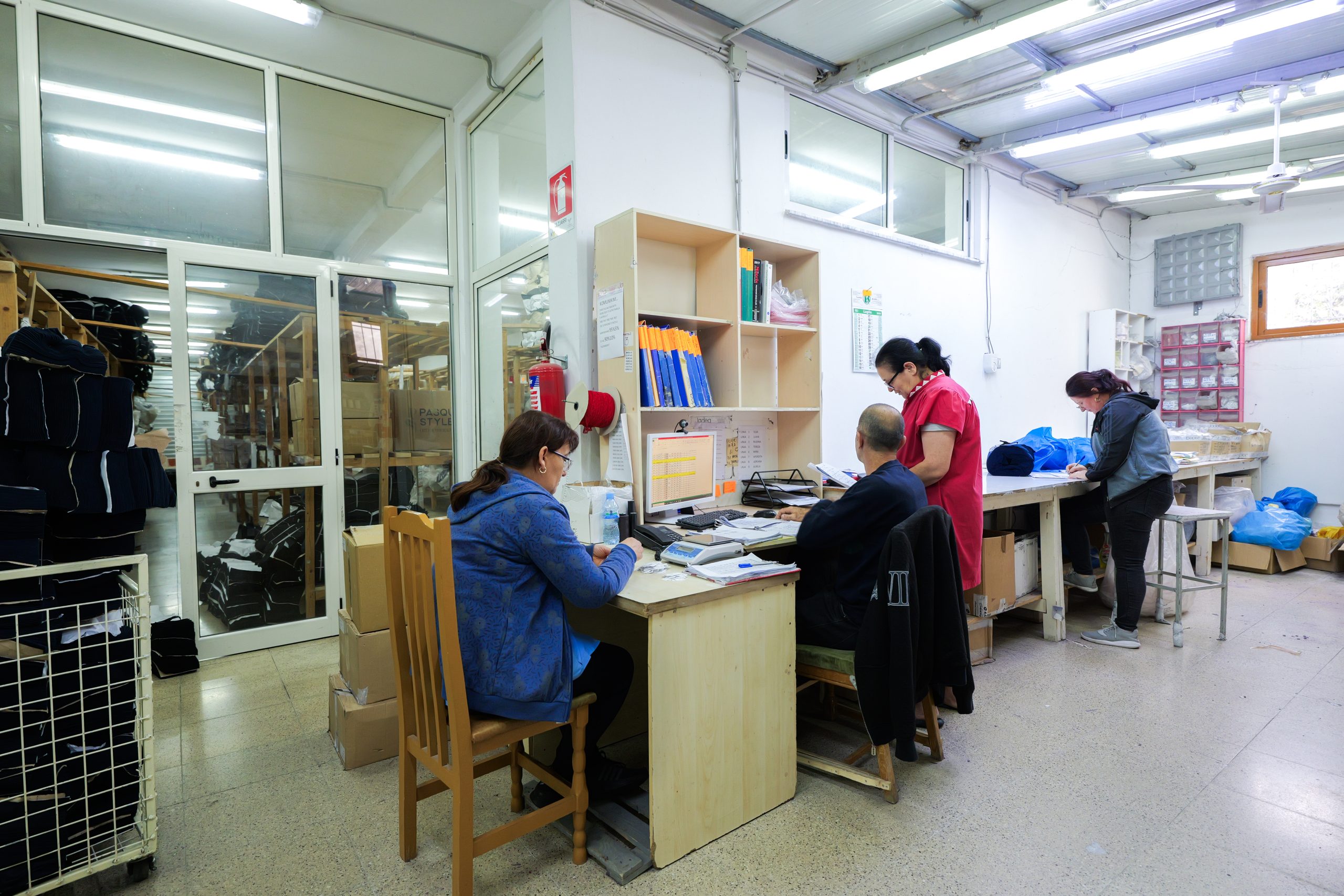
Every product begins as an idea. For many companies, turning that idea into reality requires more than creativity—it requires resources, technology, and time. Outsourcing offers the opportunity to bridge this gap. By working with a trusted manufacturing partner, businesses can transform concepts into finished products without carrying the entire burden of production in-house.
Access to Skills and Technology
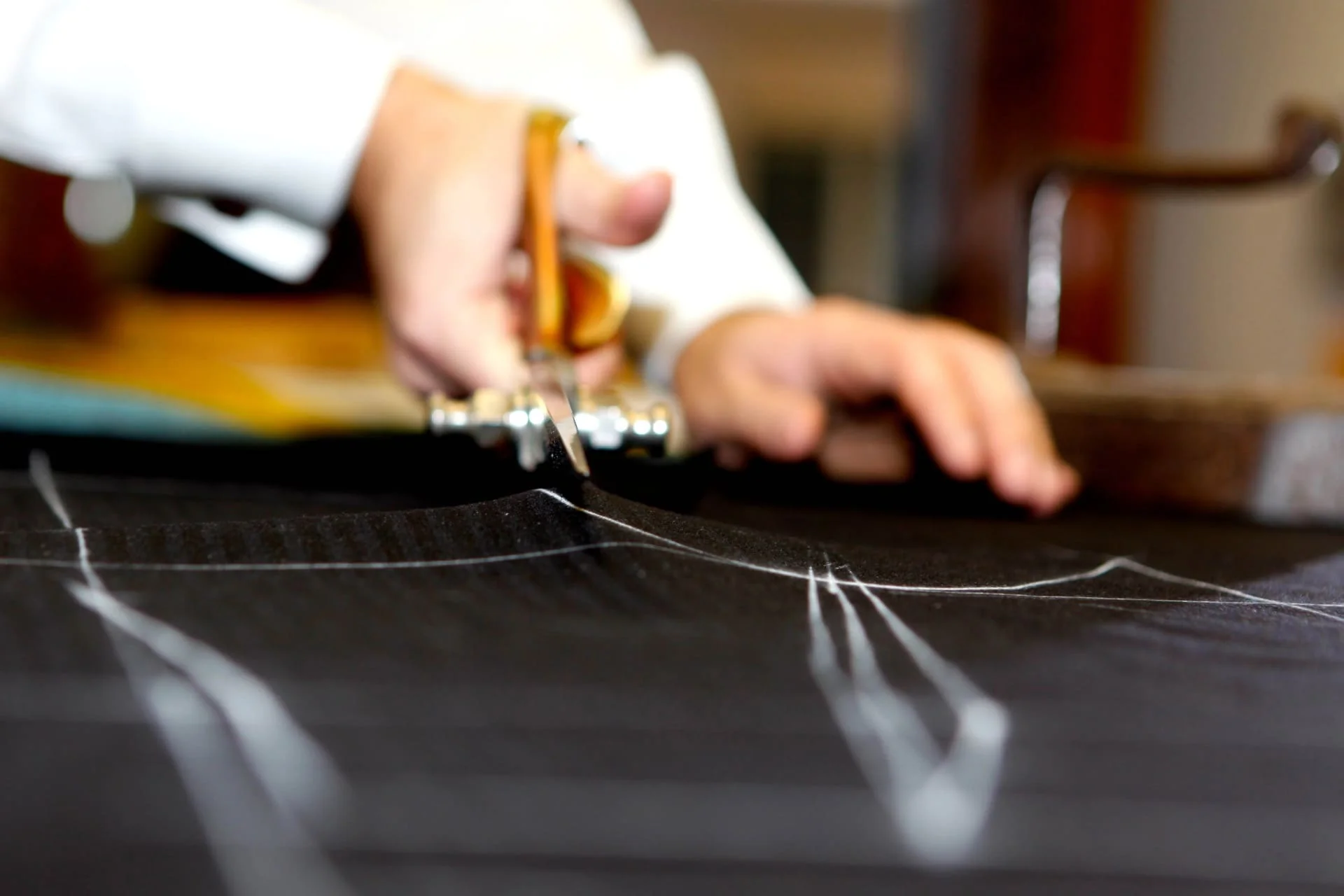
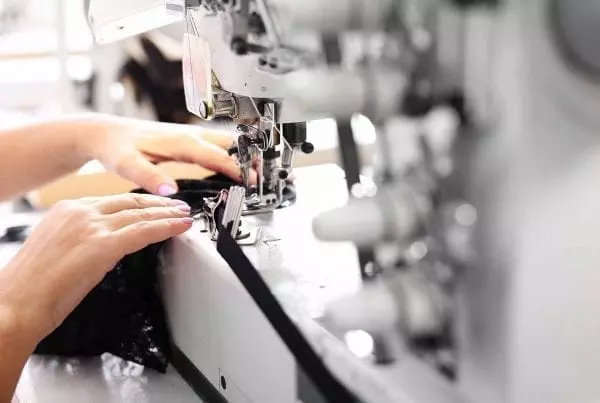
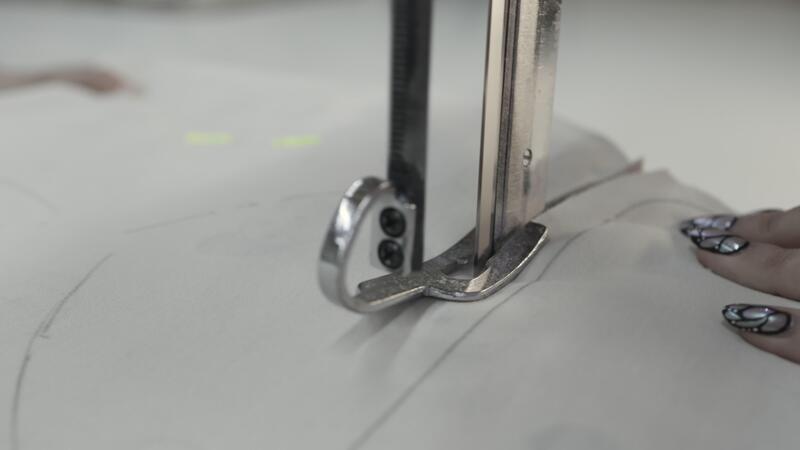
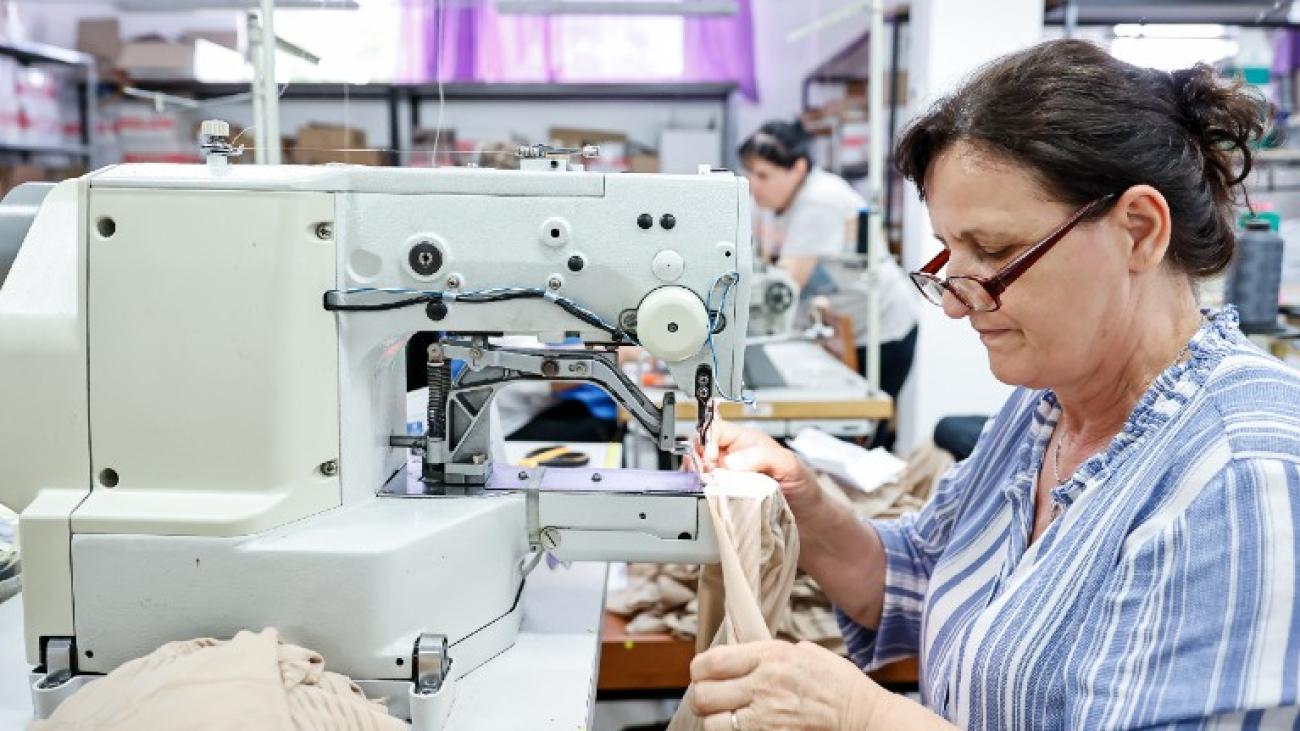
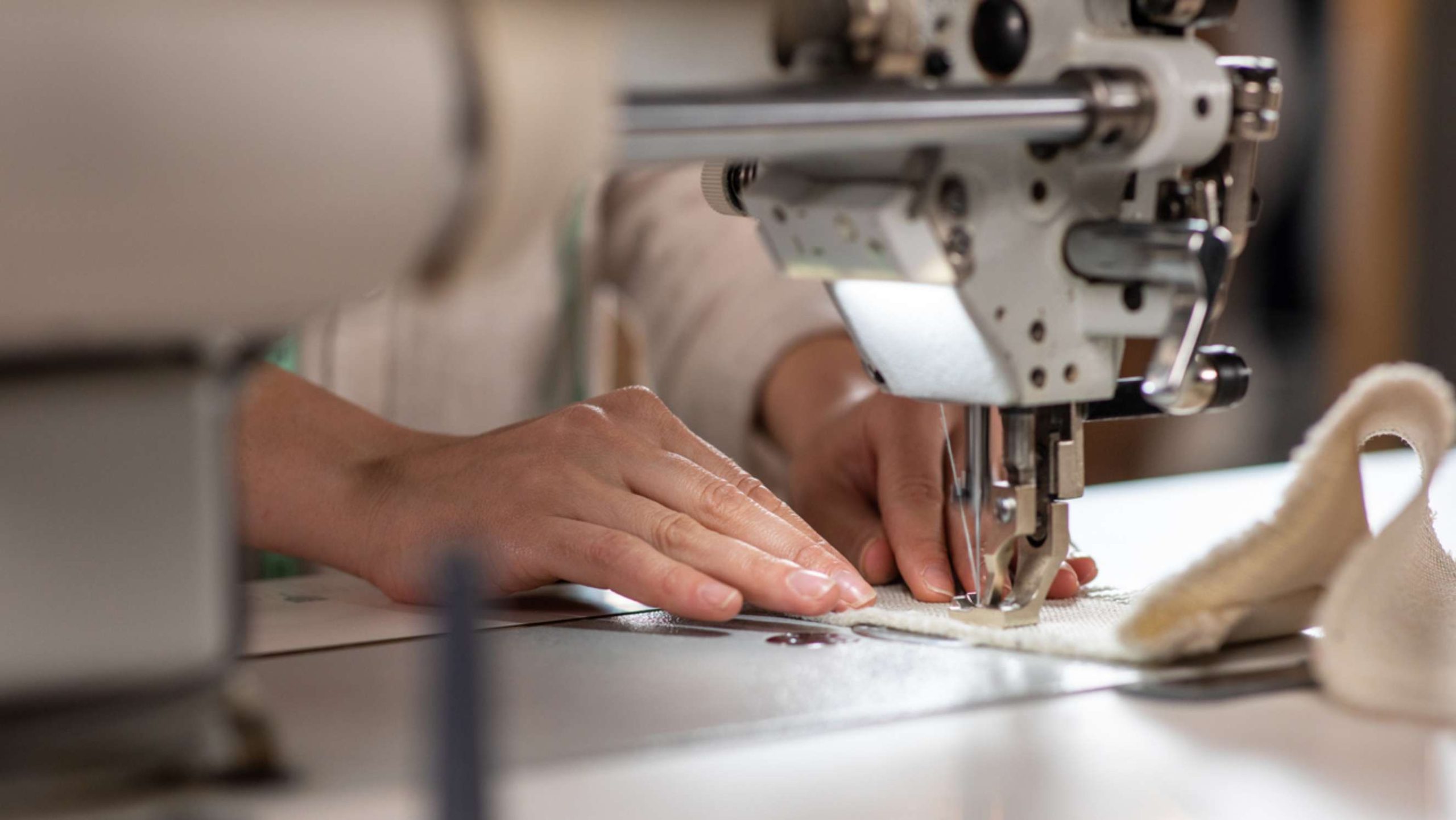
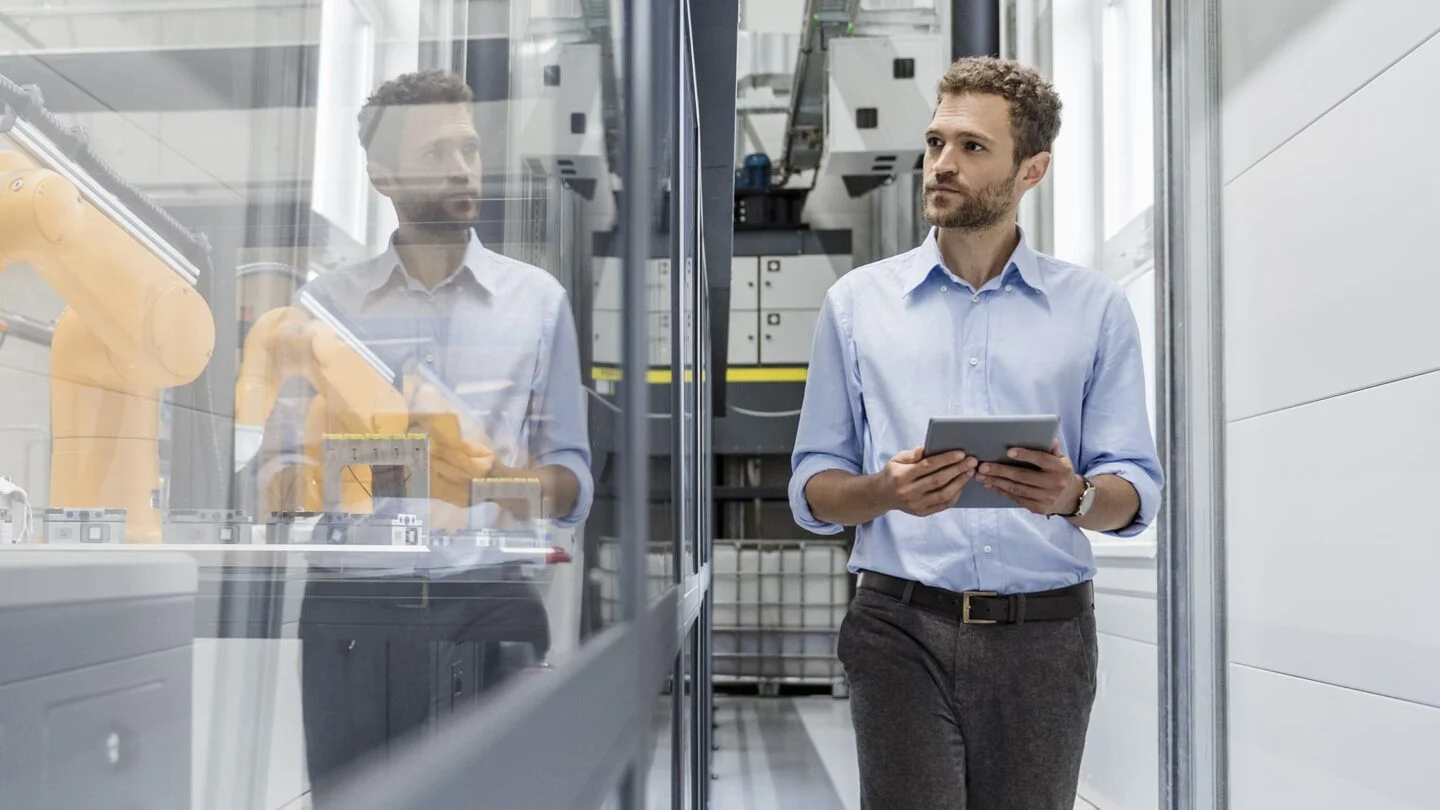
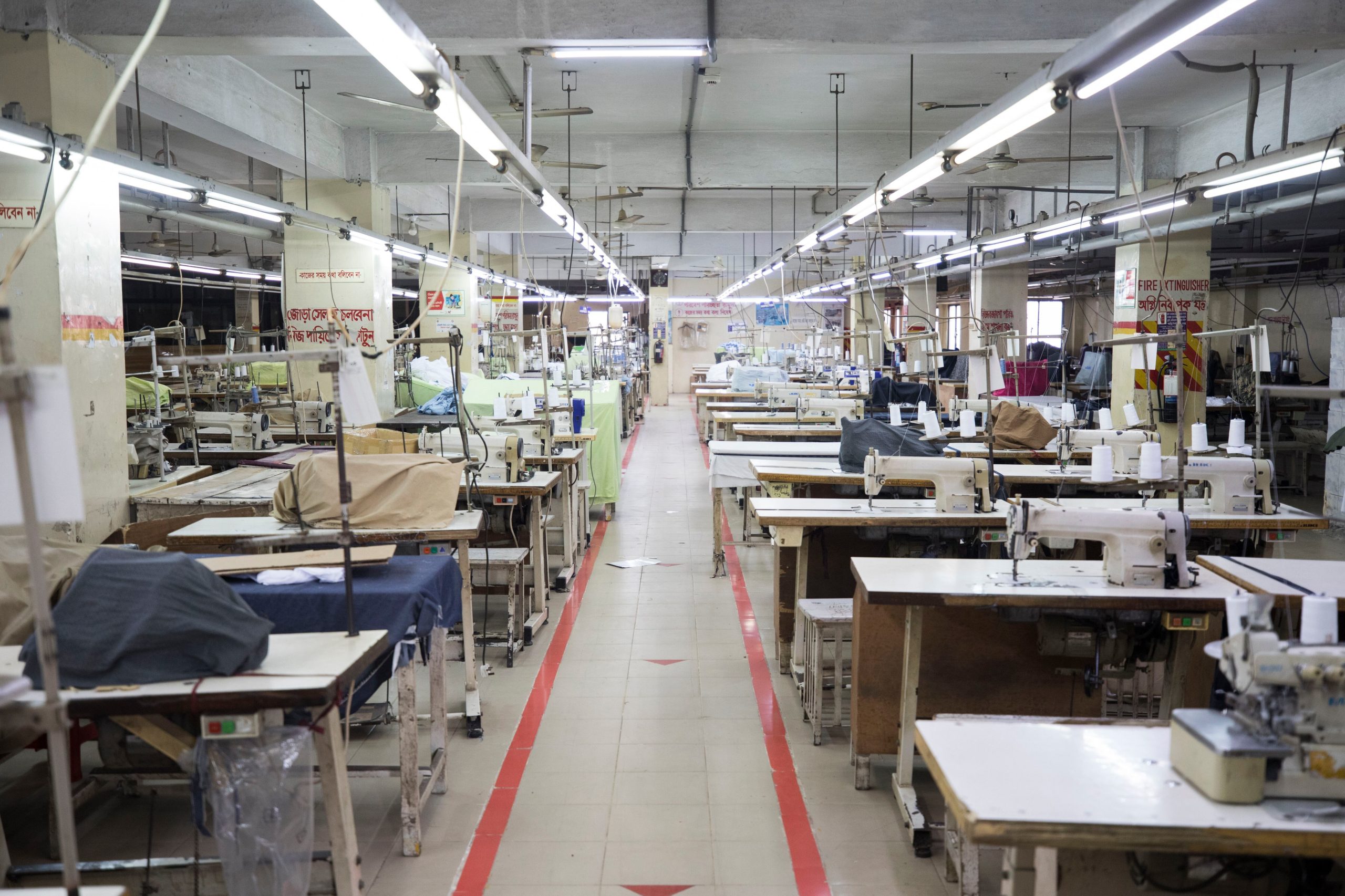
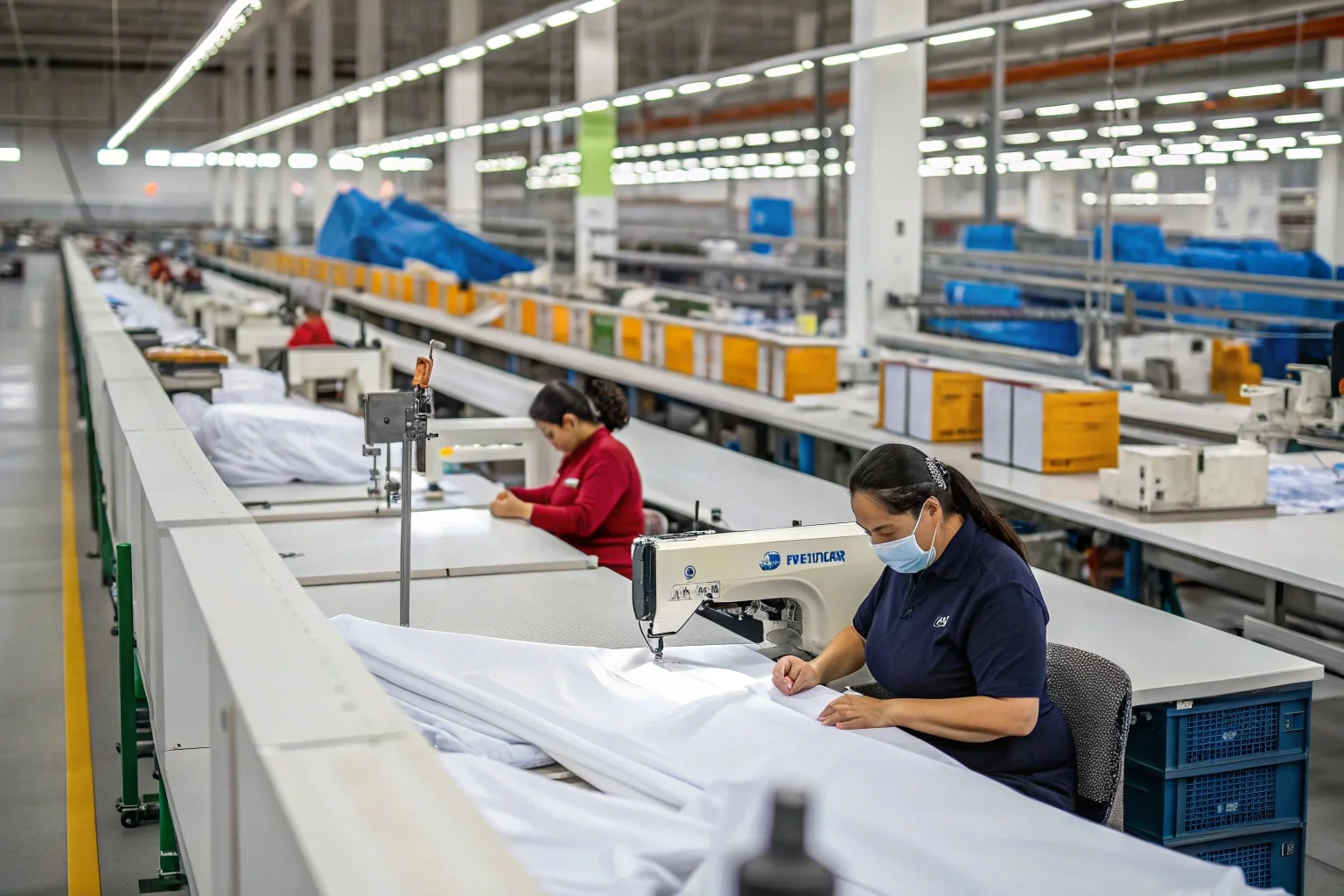
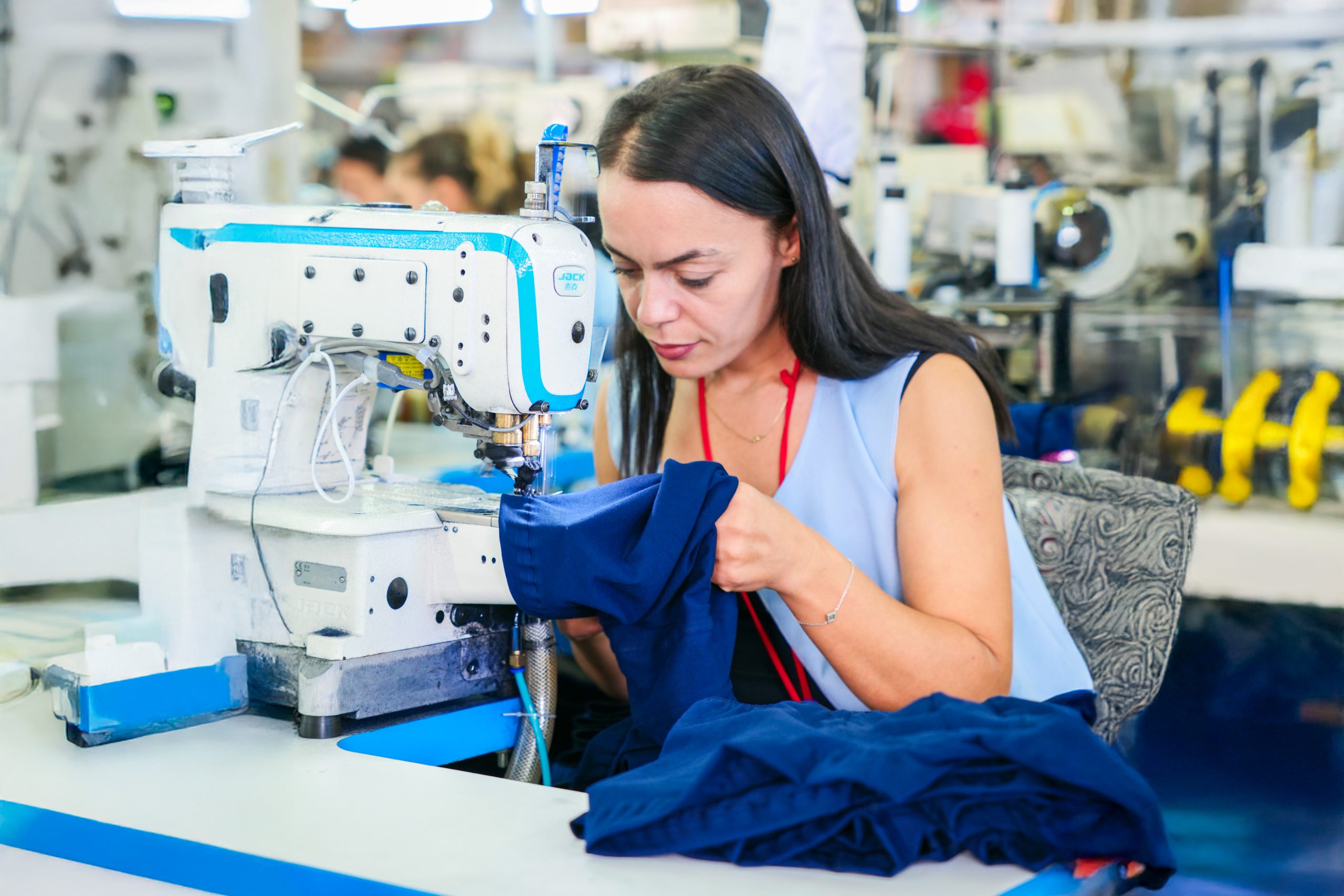
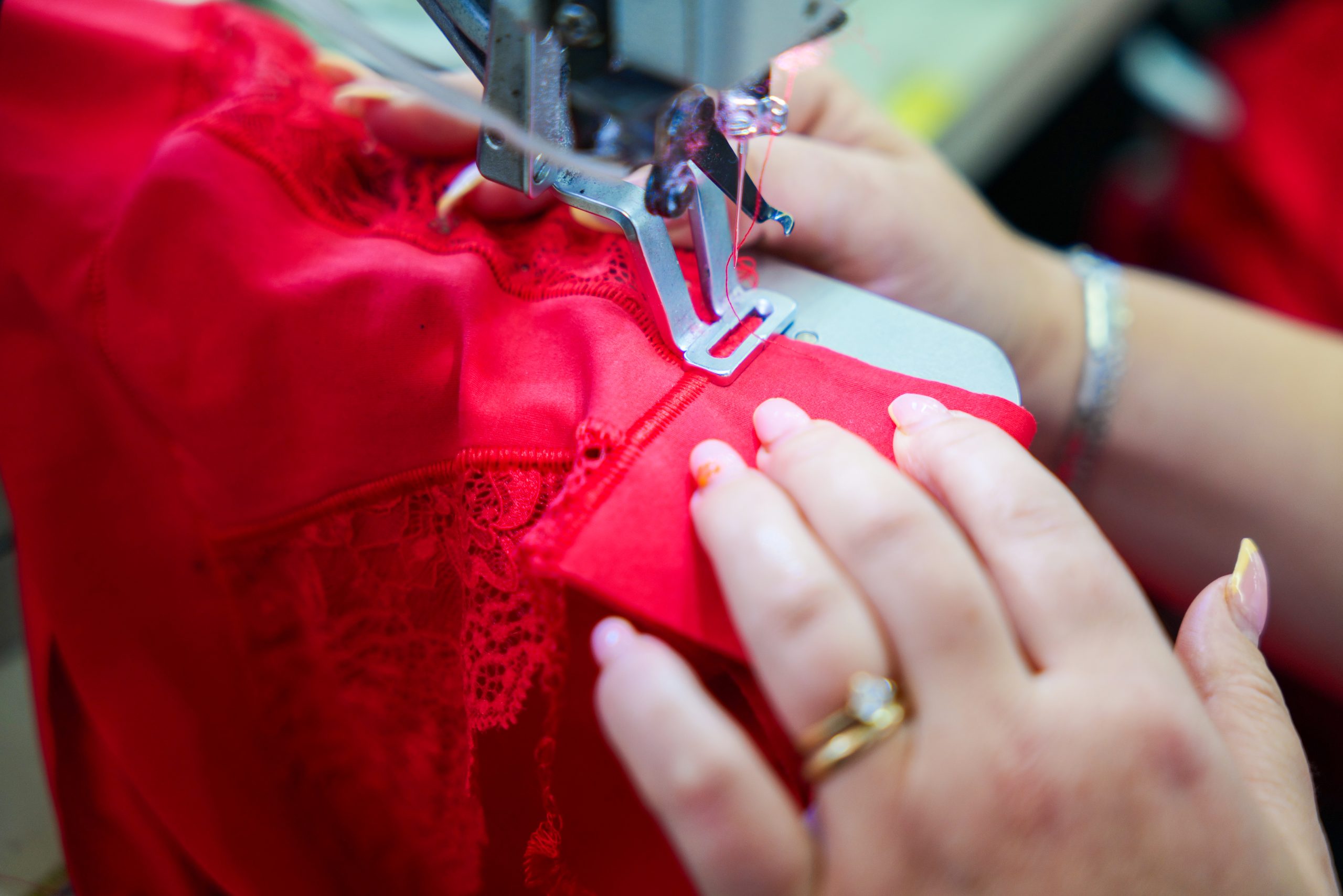
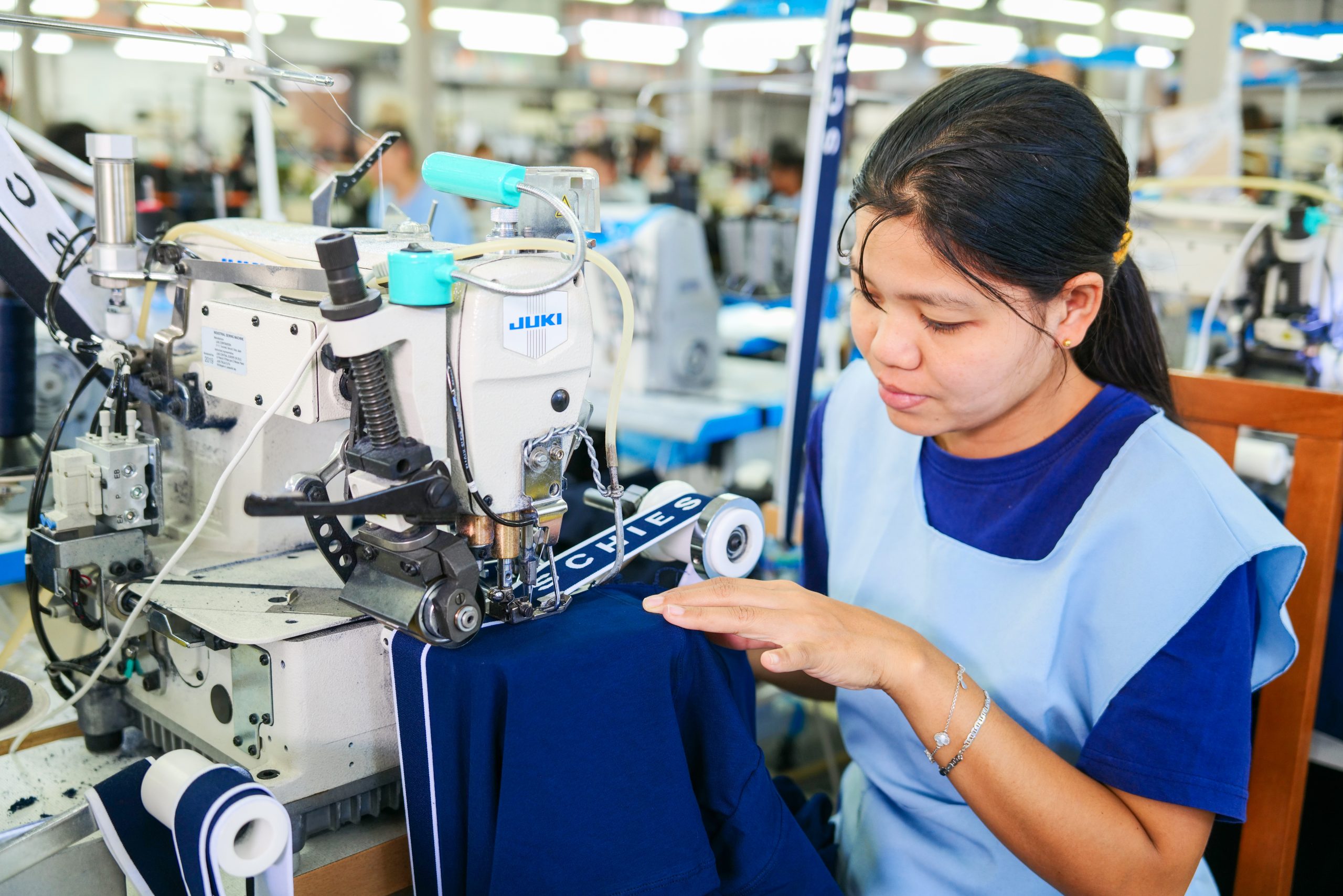
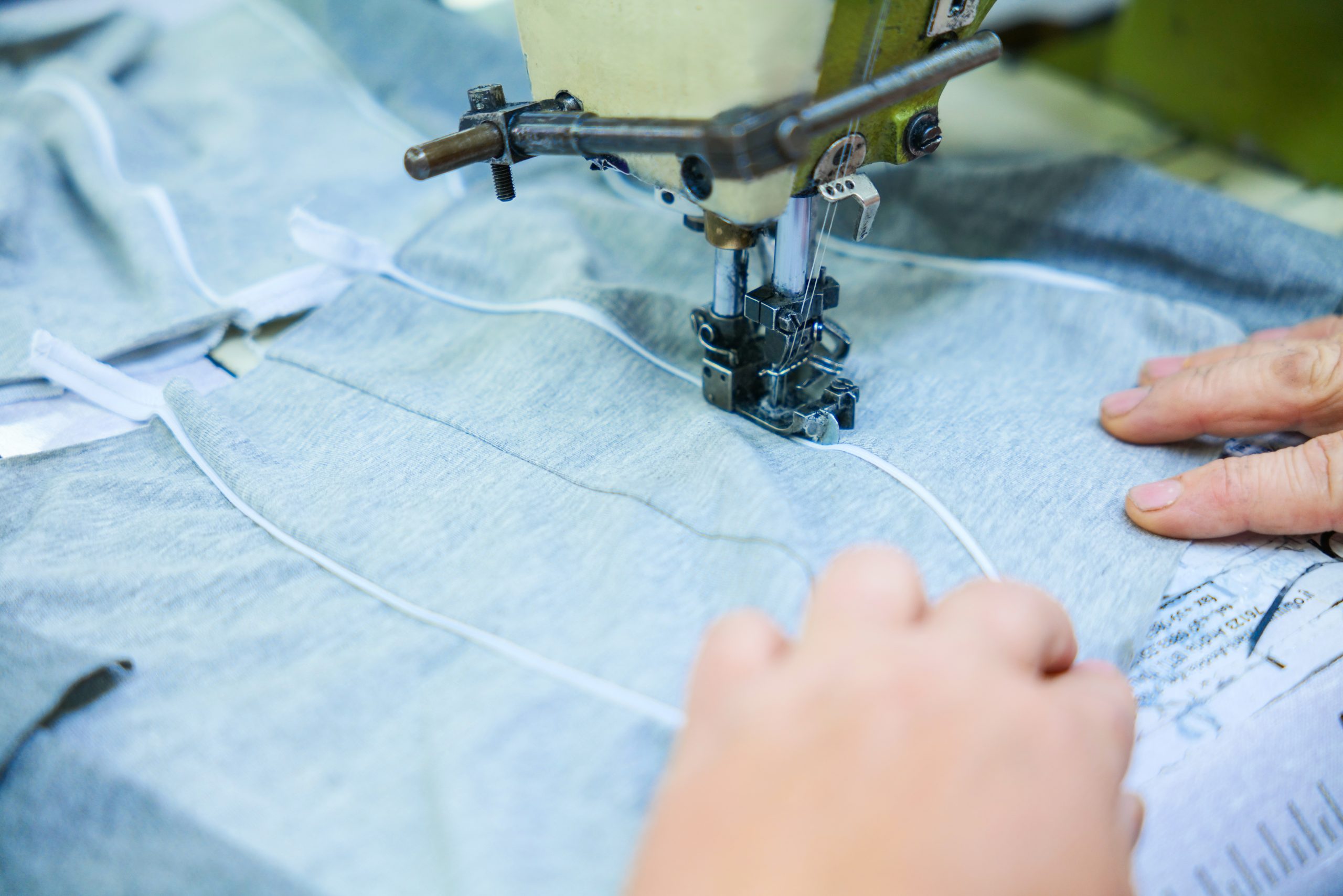
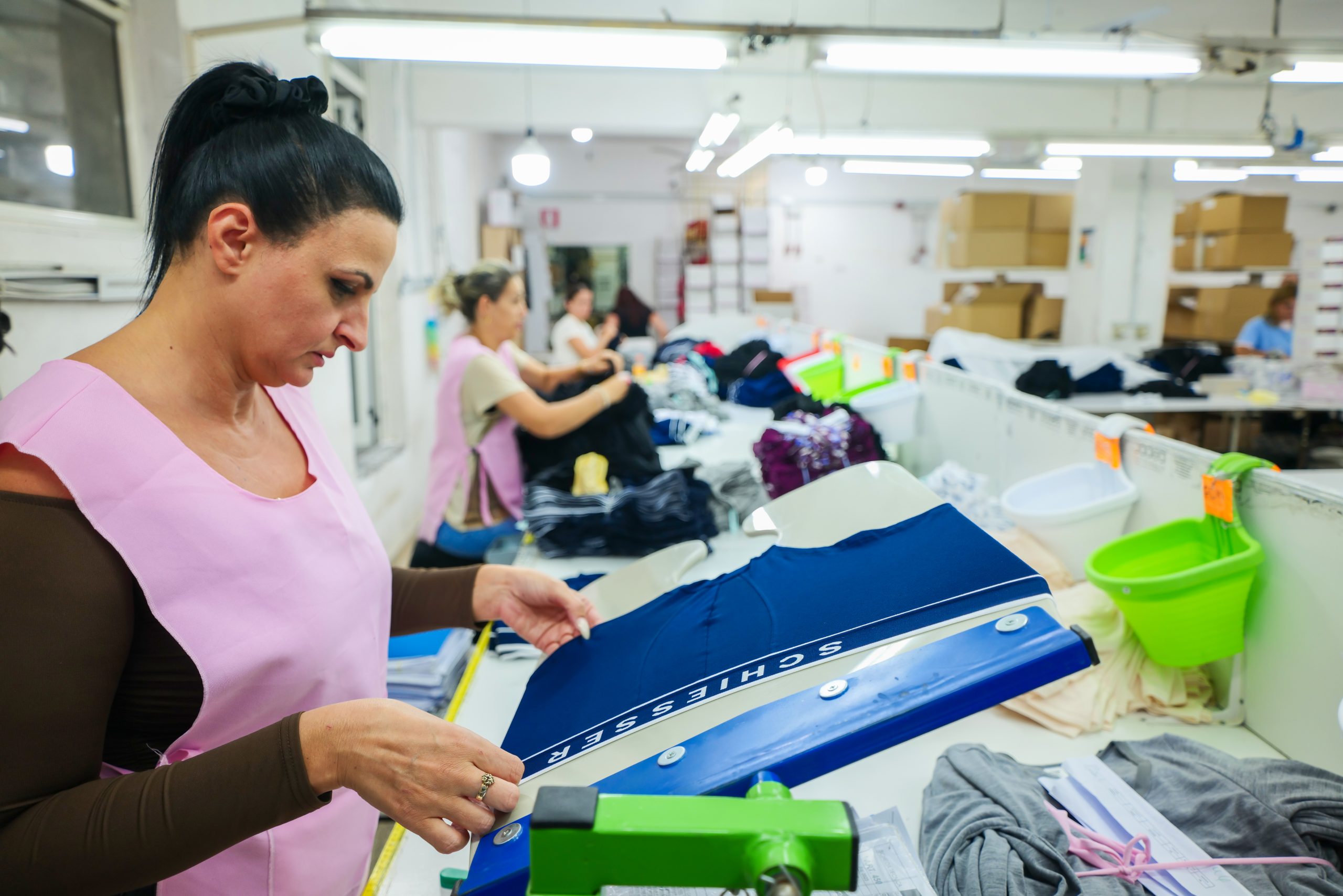
Factories bring together teams with specific knowledge, along with machinery designed to handle complex processes. Instead of investing in expensive equipment or additional staff, brands can rely on outsourcing partners to provide these resources. This gives companies access to expertise and technology that might otherwise be out of reach, helping them bring products to market more efficiently.
Flexibility in Production
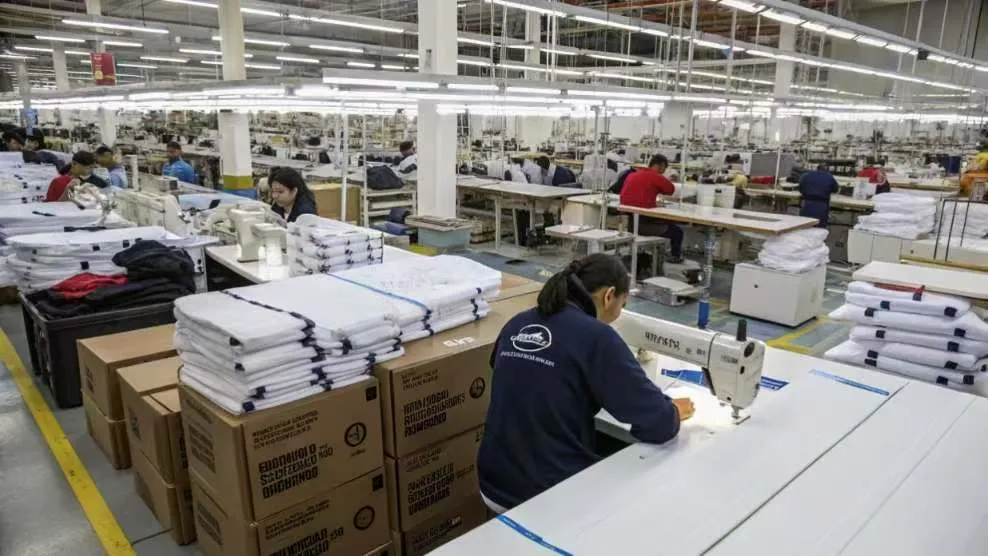
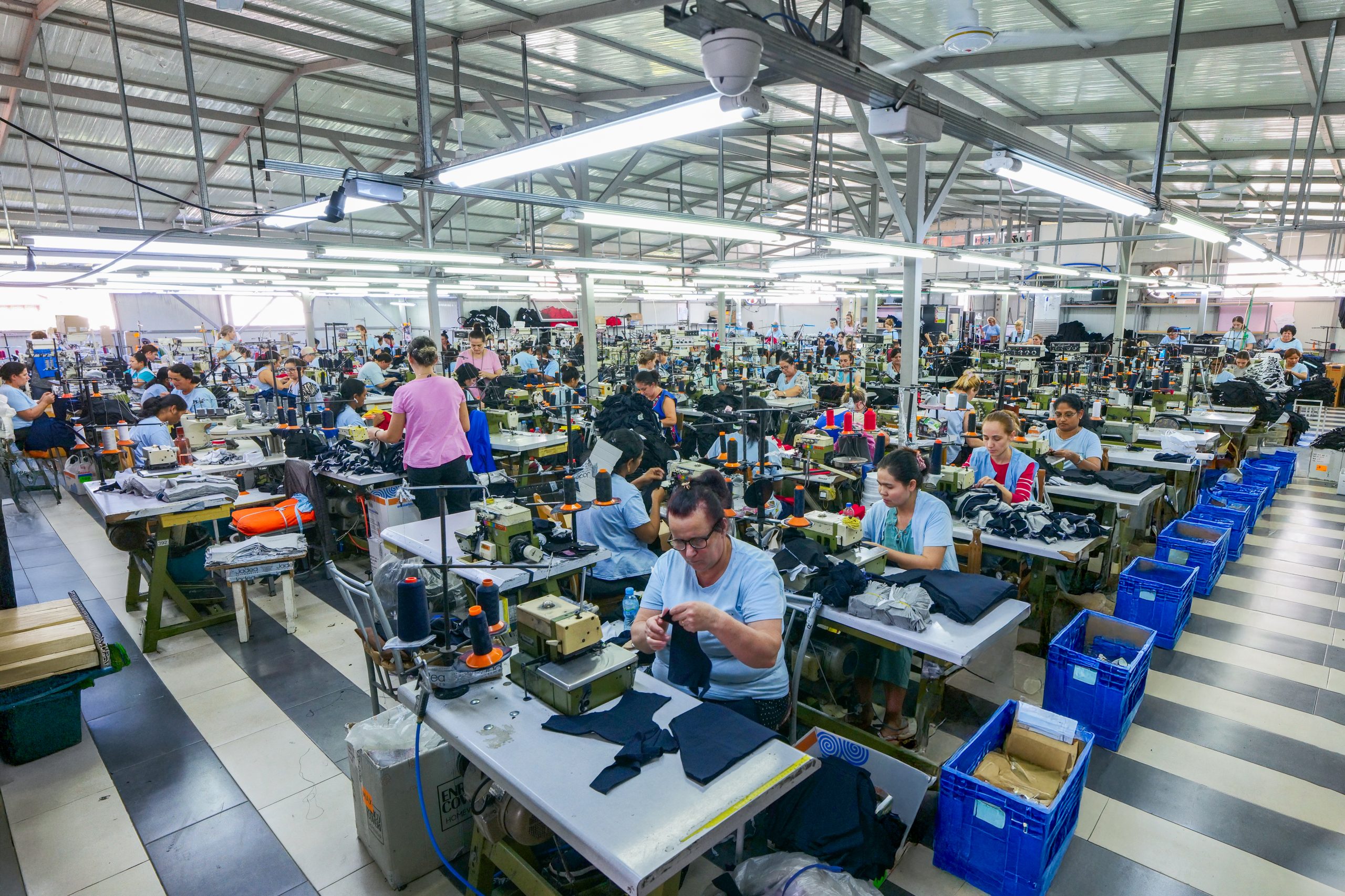
Not all projects have the same requirements. Some demand small, specialized runs, while others call for large-scale production. Outsourcing allows businesses to adapt to both situations with ease. A capable partner can adjust to different volumes, materials, and timelines, offering the flexibility that modern markets demand.
Quality and Reliability
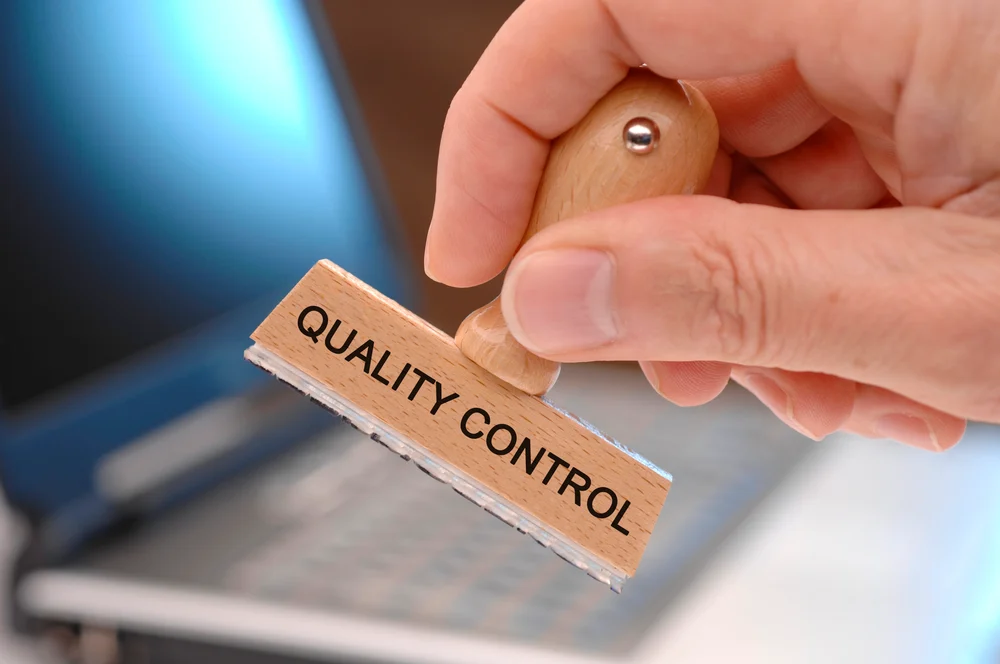
Producing at scale means that quality control is essential. Reliable outsourcing partners put systems in place to check every stage of production, from raw materials to final inspection. This focus on consistency helps brands maintain their reputation and deliver products that meet client expectations every time.
Partnership Beyond Manufacturing
Outsourcing is not only about machines and production lines—it is about relationships. Strong collaborations are built on trust, communication, and shared goals. By working closely with their manufacturing partners, companies gain more than a product: they gain a long-term relationship that supports growth and stability.
Conclusion
From the first sketch to the final product, outsourcing plays a key role in today’s manufacturing world. It connects brands with the resources and expertise they need, while creating opportunities for innovation and efficiency. Above all, it shows that the journey from idea to product is best achieved through collaboration.