Small vs Large Production for Apparel Brands
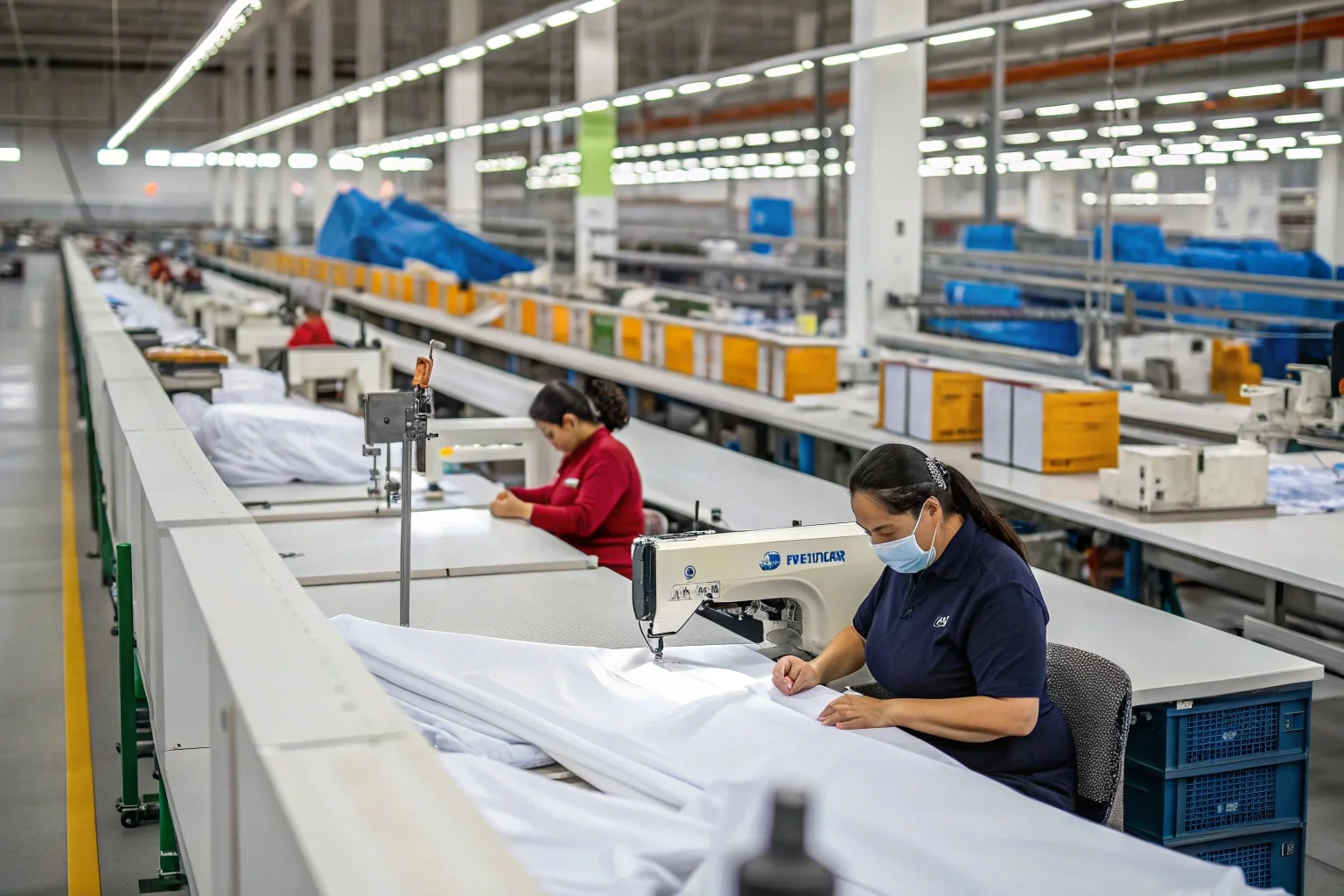
Small apparel production is often the starting point for new or emerging fashion brands. It allows designers to test ideas, fabrics, and fits without committing to large quantities. Producing smaller batches helps reduce upfront costs and limits the risk of overstock, which is especially important when launching a new collection or entering a new market. It also gives brands more room to make changes based on feedback before moving forward with larger orders.
When Large-Scale Production Makes Sense
Large apparel production is usually chosen by established brands with proven demand. Producing in higher volumes reduces the cost per piece and supports consistent availability across multiple sales channels. However, it requires clear planning, stable designs, and confidence in sizing, materials, and colors. Once production begins, changes are more difficult, so brands must be sure their product is ready for scale.
Cost, Time, and Flexibility Differences
Small production offers more flexibility in timelines and design adjustments, but the cost per garment is higher. Large production lowers unit costs but requires longer lead times and higher initial investment. Brands should also consider storage, logistics, and cash flow, as larger quantities mean greater responsibility beyond manufacturing alone.
Quality Control at Different Production Levels
Quality control is essential in both small and large production runs, but the approach changes with scale. In small batches, issues can be spotted and corrected quickly. In larger runs, structured checks at multiple stages are necessary to keep consistency across hundreds or thousands of pieces. Working with a manufacturer that follows clear quality standards helps avoid costly errors.
Choosing the Right Production Path
The right choice depends on where a brand stands today and where it wants to go. Small production is ideal for testing, refining, and building confidence in a product. Large production supports growth once demand is established. Many brands start small and scale up gradually, using early production runs to learn and prepare for larger volumes.
Working with a Manufacturing Partner
A reliable manufacturing partner can guide brands through both small and large production phases. Clear communication, realistic planning, and shared expectations help align production with brand goals. Starting with the right approach makes the transition from small batches to larger runs smoother and more sustainable over time.