How to Choose a Manufacturing Partner for Your Next Intimate Wear Collection
Assessing Technical Expertise and Specialization
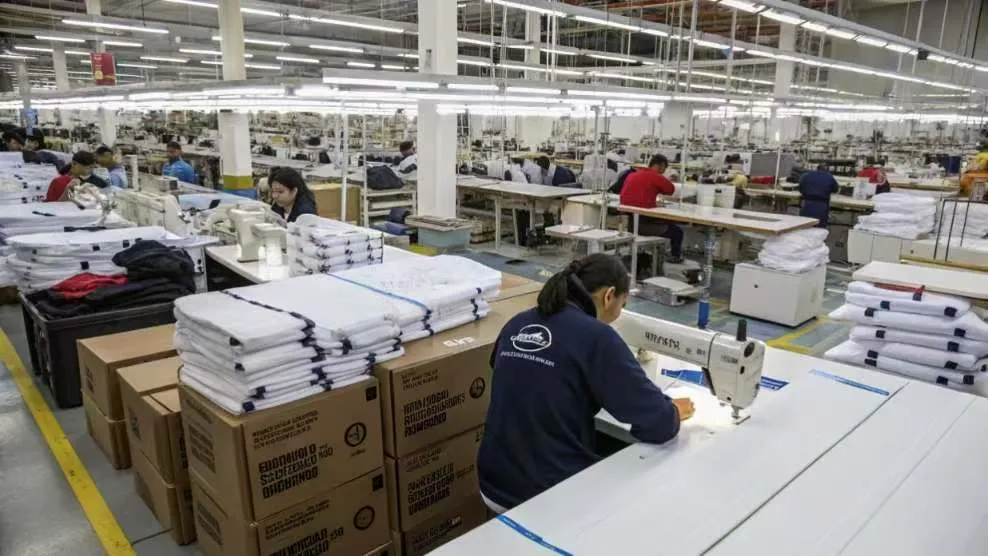
Choosing a partner for intimate apparel requires a higher level of scrutiny than standard fashion. You must evaluate whether a factory has specific experience with the delicate construction required for underwear, bras, and loungewear. Look for evidence of specialized machinery—such as coverstitch, elasticators, and molding equipment—and a workforce trained in handling fine, high-stretch fabrics. A manufacturer that specializes in this niche will understand the critical balance between aesthetic design and technical fit, ensuring that your collection is as functional as it is beautiful.
Verifying Quality Standards and Defect Rates
Consistency is paramount when building customer trust in an intimate wear brand. When vetting potential partners, ask for detailed information about their multi-point quality control systems. A reliable manufacturer should have rigorous protocols for raw material inspection, in-line sewing checks, and final audits. Inquire about their average defect rates and whether they adhere to international standards like AQL (Acceptable Quality Level). Choosing a partner with a proven history of high pass rates ensures that your retail-ready products will meet the expectations of even the most discerning customers.
Evaluating Scalability and Production Capacity
Your manufacturing partner should be able to support your brand’s growth trajectory, not just your current order volume. Assess their daily production capacity and their ability to scale up during peak seasons or for successful collection launches. A factory that can manage high-volume outputs—such as 35,000 to 40,000 units per day—offers the flexibility you need to expand without switching suppliers. This long-term scalability is essential for maintaining brand consistency as you grow from a boutique line to a major market player.
Confirming Material Safety and Certifications
Because intimate wear has direct, prolonged contact with the skin, material safety is non-negotiable. Ensure your manufacturing partner works with fabrics and components that are free from harmful substances. Look for globally recognized certifications, such as OEKO-TEX Standard 100, which verify that every thread, button, and elastic has been tested for safety. Additionally, certifications like ISO 9001 for quality management demonstrate that the factory follows standardized, professional processes, providing further peace of mind for both the brand and the end consumer.
Prioritizing Transparent Communication and Proximity
The success of a manufacturing partnership often hinges on the quality of communication. Choose a partner that values transparency and provides regular updates throughout the production cycle. Geographical proximity—such as manufacturing within Europe for European brands—can also be a significant advantage. Shorter distances allow for easier site visits, faster sampling cycles, and more reliable logistics. A partner that is easy to reach and responsive to your needs will help you navigate the complexities of production more efficiently, ensuring a smoother journey from design to delivery.
Choosing a partner for intimate apparel requires a higher level of scrutiny than standard fashion. You must evaluate whether a factory has specific experience with the delicate construction required for underwear, bras, and loungewear. Look for evidence of specialized machinery—such as coverstitch, elasticators, and molding equipment—and a workforce trained in handling fine, high-stretch fabrics. A manufacturer that specializes in this niche will understand the critical balance between aesthetic design and technical fit, ensuring that your collection is as functional as it is beautiful.
Verifying Quality Standards and Defect Rates
Consistency is paramount when building customer trust in an intimate wear brand. When vetting potential partners, ask for detailed information about their multi-point quality control systems. A reliable manufacturer should have rigorous protocols for raw material inspection, in-line sewing checks, and final audits. Inquire about their average defect rates and whether they adhere to international standards like AQL (Acceptable Quality Level). Choosing a partner with a proven history of high pass rates ensures that your retail-ready products will meet the expectations of even the most discerning customers.
Evaluating Scalability and Production Capacity
Your manufacturing partner should be able to support your brand’s growth trajectory, not just your current order volume. Assess their daily production capacity and their ability to scale up during peak seasons or for successful collection launches. A factory that can manage high-volume outputs—such as 35,000 to 40,000 units per day—offers the flexibility you need to expand without switching suppliers. This long-term scalability is essential for maintaining brand consistency as you grow from a boutique line to a major market player.
Confirming Material Safety and Certifications
Because intimate wear has direct, prolonged contact with the skin, material safety is non-negotiable. Ensure your manufacturing partner works with fabrics and components that are free from harmful substances. Look for globally recognized certifications, such as OEKO-TEX Standard 100, which verify that every thread, button, and elastic has been tested for safety. Additionally, certifications like ISO 9001 for quality management demonstrate that the factory follows standardized, professional processes, providing further peace of mind for both the brand and the end consumer.
Prioritizing Transparent Communication and Proximity
The success of a manufacturing partnership often hinges on the quality of communication. Choose a partner that values transparency and provides regular updates throughout the production cycle. Geographical proximity—such as manufacturing within Europe for European brands—can also be a significant advantage. Shorter distances allow for easier site visits, faster sampling cycles, and more reliable logistics. A partner that is easy to reach and responsive to your needs will help you navigate the complexities of production more efficiently, ensuring a smoother journey from design to delivery.