Material Science: Selecting the Softest Fabrics for Daily Comfort and Durability
The Foundation of Skin-Friendly Apparel
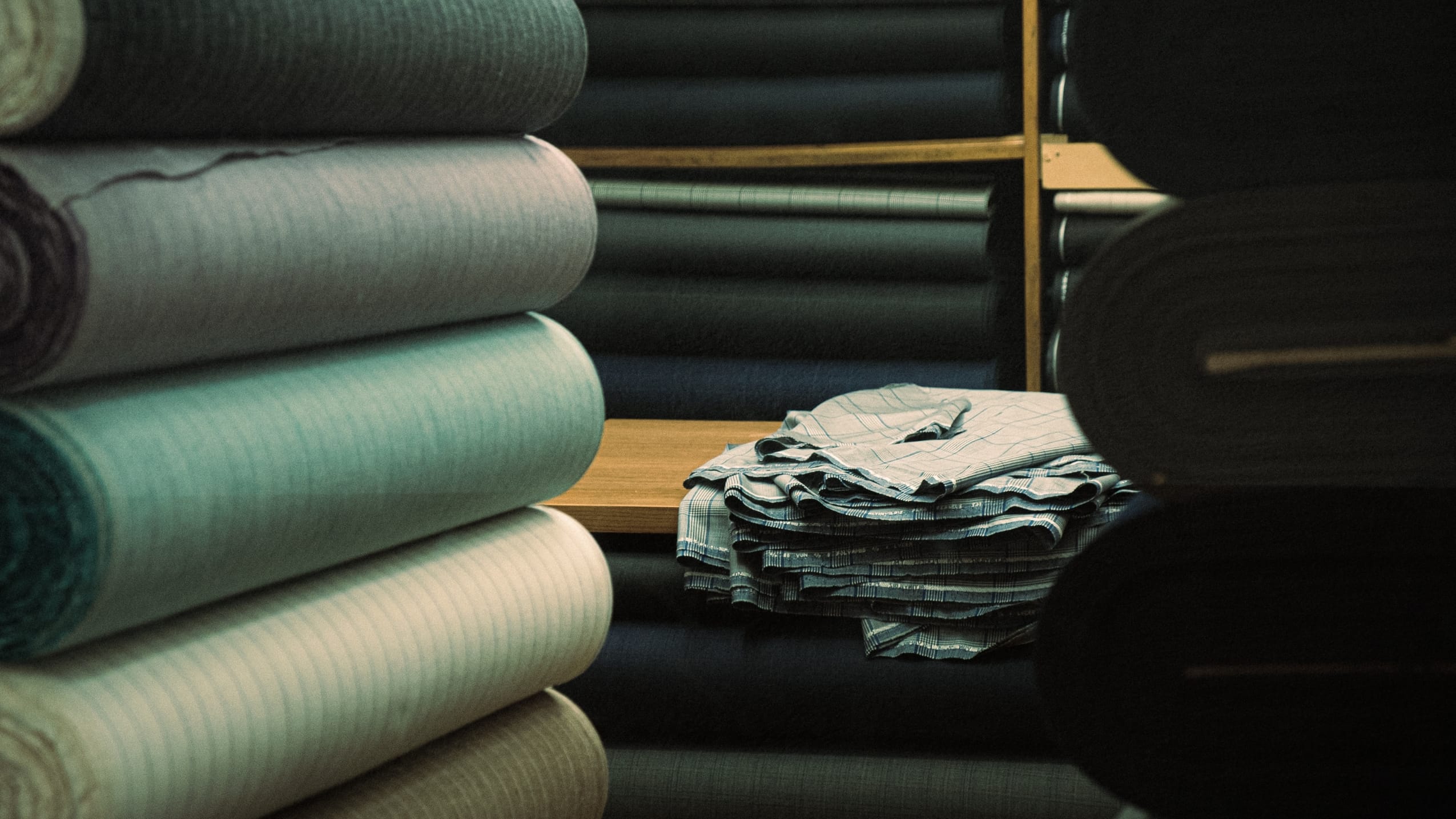
When it comes to intimate wear, the choice of fabric is the most critical decision in the entire manufacturing process. Because these garments are in constant contact with the skin, material selection must prioritize breathability, softness, and hypoallergenic properties. High-quality cotton, often blended with premium synthetic fibers, remains the industry standard for daily comfort. This combination ensures that the fabric feels natural against the skin while providing the necessary moisture-wicking capabilities required for all-day wear.
Engineering the Perfect Stretch
Comfort in modern apparel is largely defined by freedom of movement. To achieve this, material science focuses on the precise integration of elastic fibers like Lycra and elastane. These fibers allow garments to stretch and retract without losing their original shape over time. A professional manufacturer carefully calculates the percentage of stretch to ensure the product provides a "second-skin" feel—offering gentle support without being restrictive. This balance is essential for creating items that remain comfortable through every movement of a busy day.
Durability Through High-Performance Fibers
A truly premium garment must maintain its integrity even after hundreds of wash cycles. Durability is achieved by selecting long-staple fibers that are less prone to pilling or thinning. By using high-density knitting techniques, the fabric becomes more resistant to mechanical stress and stretching. This focus on fiber strength ensures that the softness of the garment does not fade over time, protecting the brand's reputation for quality and providing the end consumer with a product that lasts.
Safety and Chemical-Free Manufacturing
Modern material science also places a heavy emphasis on consumer safety. Selecting fabrics that are free from harmful chemicals and irritants is a non-negotiable standard for top-tier intimate wear. This involves working with suppliers who adhere to strict global safety regulations, ensuring that dyes and finishing agents are non-toxic. By prioritizing "clean" materials, manufacturers protect sensitive skin and align themselves with the growing global demand for safe, responsibly produced clothing.
The Aesthetic of Premium Materials
Beyond functionality, the visual and tactile "hand-feel" of a fabric communicates luxury and quality. The finishing processes—such as brushing or enzyme washing—can significantly enhance the surface texture, making it exceptionally smooth to the touch. Whether it is a matte finish for a classic look or a subtle sheen for a more modern aesthetic, the science of fabric finishing ensures that the product looks as good as it feels. This attention to the sensory experience is what distinguishes a basic garment from a premium collection.
When it comes to intimate wear, the choice of fabric is the most critical decision in the entire manufacturing process. Because these garments are in constant contact with the skin, material selection must prioritize breathability, softness, and hypoallergenic properties. High-quality cotton, often blended with premium synthetic fibers, remains the industry standard for daily comfort. This combination ensures that the fabric feels natural against the skin while providing the necessary moisture-wicking capabilities required for all-day wear.
Engineering the Perfect Stretch
Comfort in modern apparel is largely defined by freedom of movement. To achieve this, material science focuses on the precise integration of elastic fibers like Lycra and elastane. These fibers allow garments to stretch and retract without losing their original shape over time. A professional manufacturer carefully calculates the percentage of stretch to ensure the product provides a "second-skin" feel—offering gentle support without being restrictive. This balance is essential for creating items that remain comfortable through every movement of a busy day.
Durability Through High-Performance Fibers
A truly premium garment must maintain its integrity even after hundreds of wash cycles. Durability is achieved by selecting long-staple fibers that are less prone to pilling or thinning. By using high-density knitting techniques, the fabric becomes more resistant to mechanical stress and stretching. This focus on fiber strength ensures that the softness of the garment does not fade over time, protecting the brand's reputation for quality and providing the end consumer with a product that lasts.
Safety and Chemical-Free Manufacturing
Modern material science also places a heavy emphasis on consumer safety. Selecting fabrics that are free from harmful chemicals and irritants is a non-negotiable standard for top-tier intimate wear. This involves working with suppliers who adhere to strict global safety regulations, ensuring that dyes and finishing agents are non-toxic. By prioritizing "clean" materials, manufacturers protect sensitive skin and align themselves with the growing global demand for safe, responsibly produced clothing.
The Aesthetic of Premium Materials
Beyond functionality, the visual and tactile "hand-feel" of a fabric communicates luxury and quality. The finishing processes—such as brushing or enzyme washing—can significantly enhance the surface texture, making it exceptionally smooth to the touch. Whether it is a matte finish for a classic look or a subtle sheen for a more modern aesthetic, the science of fabric finishing ensures that the product looks as good as it feels. This attention to the sensory experience is what distinguishes a basic garment from a premium collection.