The Role of Transparency in Long-Term Manufacturing Partnerships

Building Trust Through Open Communication
Transparency is the bedrock of any successful long-term collaboration between a brand and its manufacturer. In an industry where deadlines and quality are paramount, open lines of communication ensure that both parties are aligned from the start. When a manufacturer provides clear updates on production timelines and potential challenges, it allows the brand to manage expectations and plan marketing strategies with confidence. This level of honesty transforms a simple vendor relationship into a true strategic partnership built on mutual trust.
Clarity in Production Processes and Standards
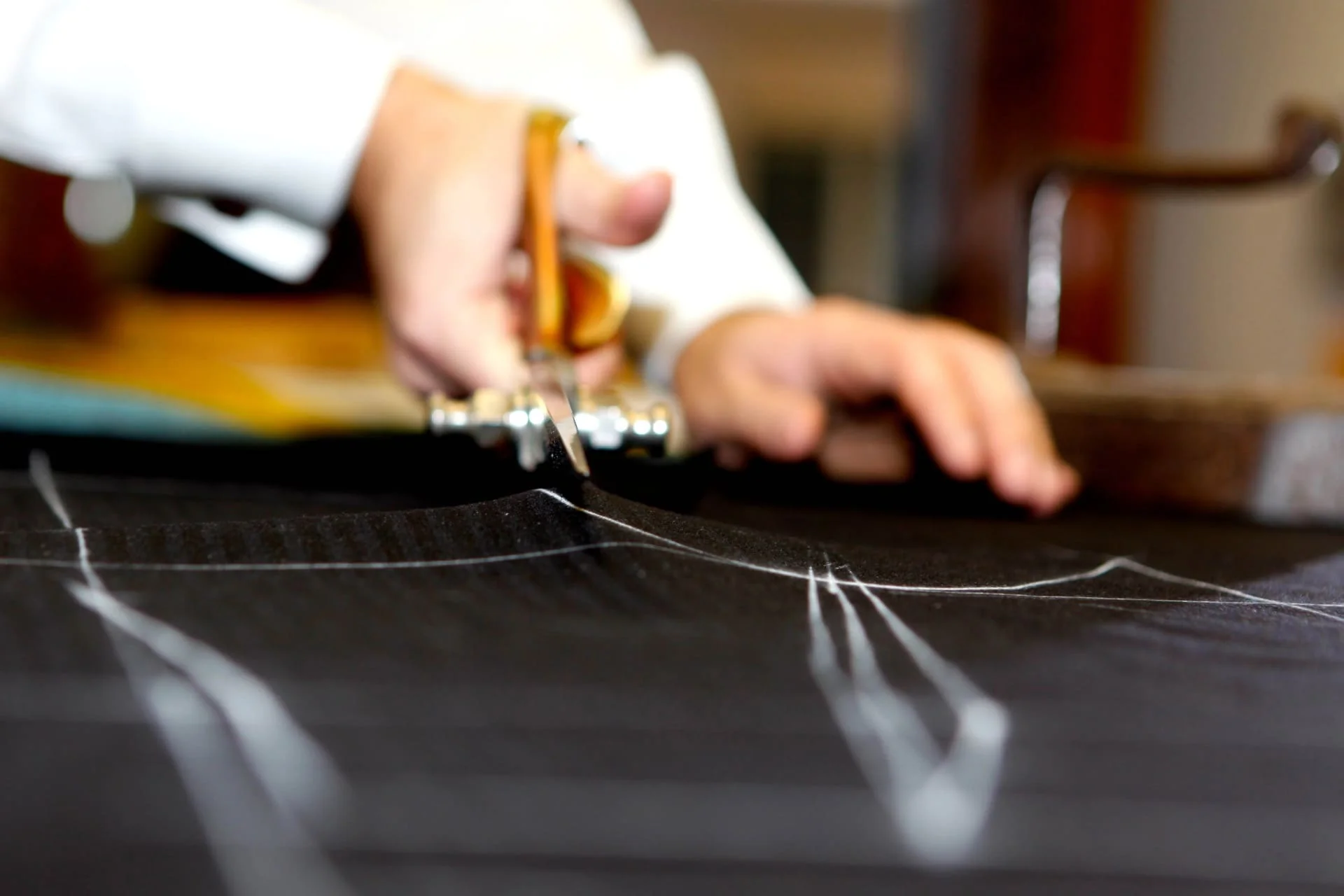
A transparent partner is one who invites the brand to understand how their products are made. This includes being open about the sourcing of raw materials, the specific machinery used on the factory floor, and the rigorous quality control steps each garment undergoes. For brands, this clarity is essential for maintaining brand integrity and ensuring that the final product consistently reflects their values. Knowing exactly how 40,000 units are cut, sewn, and packaged daily provides peace of mind that quality is never compromised for speed.
Ethical Practices and Social Responsibility
In today’s market, consumers demand to know the story behind the clothes they wear. Transparency in manufacturing means providing clear insight into labor practices and the working environment. Manufacturers that prioritize fair treatment, safety, and employee well-being allow brands to stand behind their products with pride. By choosing a partner that is open about its ethical standards and community impact, brands can protect their reputation and satisfy the growing global demand for responsible manufacturing.
Real-Time Problem Solving and Risk Mitigation
No manufacturing process is entirely without challenges, but transparency determines how those challenges are handled. A transparent partner identifies potential issues—such as material delays or technical hurdles—early and communicates them immediately. This proactive approach allows for collaborative problem-solving, preventing minor hiccups from turning into major supply chain disruptions. When both parties work with the same set of facts, risks are mitigated more effectively, ensuring that delivery schedules remain as stable as possible.
Long-Term Growth and Shared Success
Ultimately, transparency fosters a sense of shared ownership over the final result. When a manufacturer is transparent about their capacity and capabilities, it helps the brand plan for future growth without overextending. As the partnership matures, this openness leads to greater efficiency, as both sides learn how to best support each other’s goals. By prioritizing transparency, brands and manufacturers can build a resilient foundation that supports years of consistent production and mutual success.
Transparency is the bedrock of any successful long-term collaboration between a brand and its manufacturer. In an industry where deadlines and quality are paramount, open lines of communication ensure that both parties are aligned from the start. When a manufacturer provides clear updates on production timelines and potential challenges, it allows the brand to manage expectations and plan marketing strategies with confidence. This level of honesty transforms a simple vendor relationship into a true strategic partnership built on mutual trust.
Clarity in Production Processes and Standards
A transparent partner is one who invites the brand to understand how their products are made. This includes being open about the sourcing of raw materials, the specific machinery used on the factory floor, and the rigorous quality control steps each garment undergoes. For brands, this clarity is essential for maintaining brand integrity and ensuring that the final product consistently reflects their values. Knowing exactly how 40,000 units are cut, sewn, and packaged daily provides peace of mind that quality is never compromised for speed.
Ethical Practices and Social Responsibility
In today’s market, consumers demand to know the story behind the clothes they wear. Transparency in manufacturing means providing clear insight into labor practices and the working environment. Manufacturers that prioritize fair treatment, safety, and employee well-being allow brands to stand behind their products with pride. By choosing a partner that is open about its ethical standards and community impact, brands can protect their reputation and satisfy the growing global demand for responsible manufacturing.
Real-Time Problem Solving and Risk Mitigation
No manufacturing process is entirely without challenges, but transparency determines how those challenges are handled. A transparent partner identifies potential issues—such as material delays or technical hurdles—early and communicates them immediately. This proactive approach allows for collaborative problem-solving, preventing minor hiccups from turning into major supply chain disruptions. When both parties work with the same set of facts, risks are mitigated more effectively, ensuring that delivery schedules remain as stable as possible.
Long-Term Growth and Shared Success
Ultimately, transparency fosters a sense of shared ownership over the final result. When a manufacturer is transparent about their capacity and capabilities, it helps the brand plan for future growth without overextending. As the partnership matures, this openness leads to greater efficiency, as both sides learn how to best support each other’s goals. By prioritizing transparency, brands and manufacturers can build a resilient foundation that supports years of consistent production and mutual success.