Specialized Tooling: The Technology Behind High-Volume Intimate Product Manufacturing
Specialized Tooling: The Technology Behind High-Volume Intimate Product Manufacturing
The Precision of Automated Cutting Systems
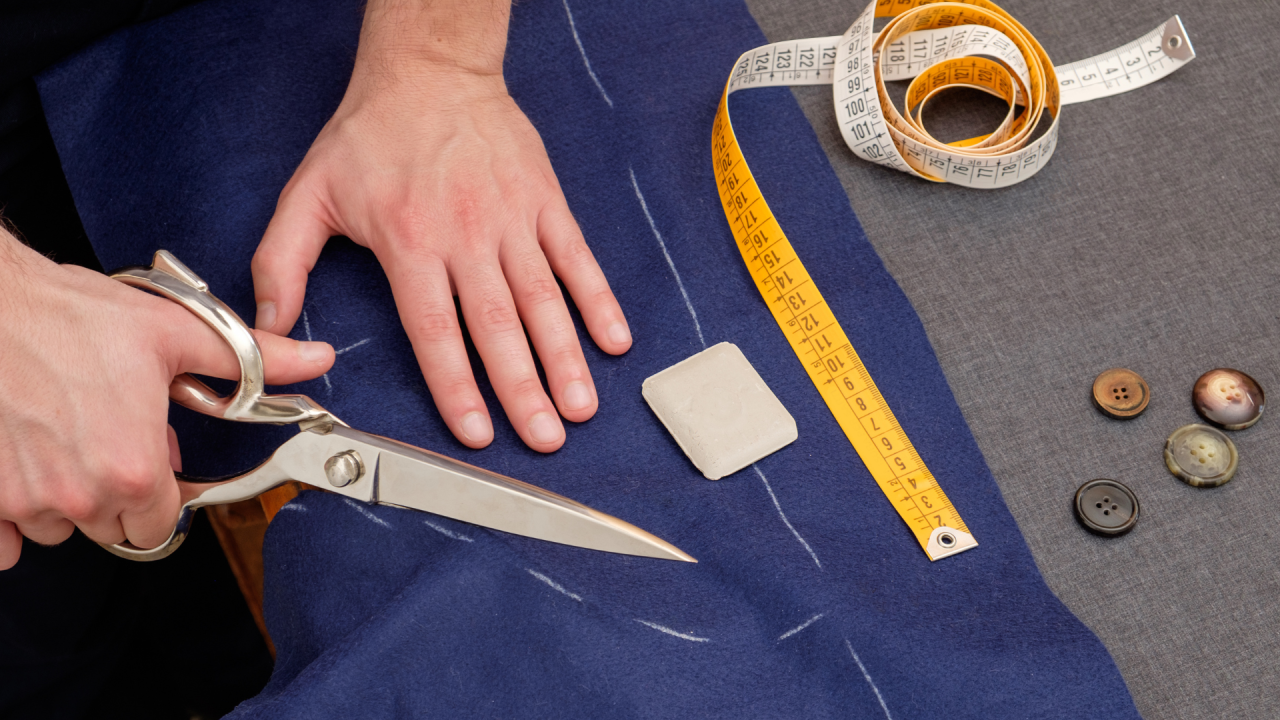
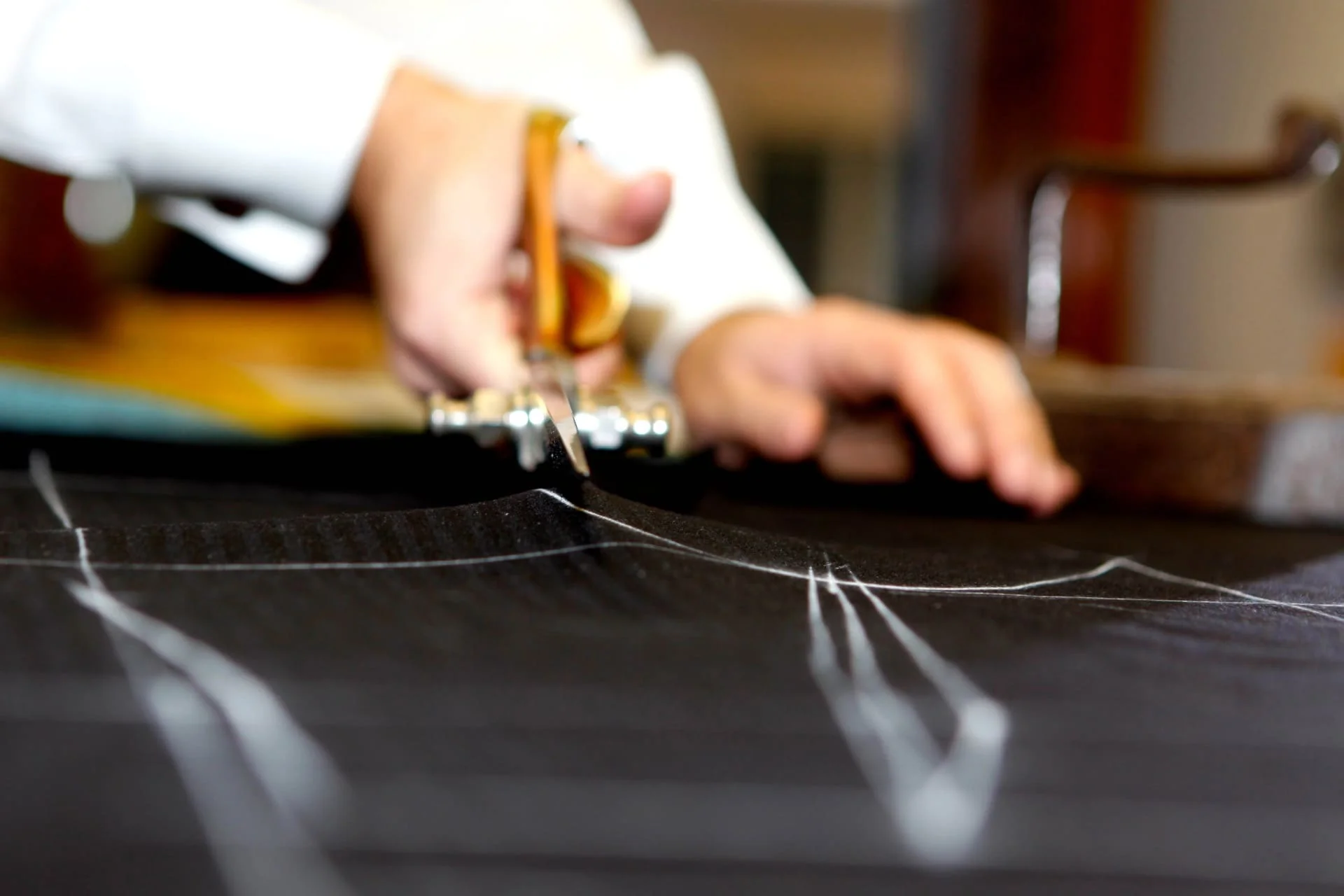
High-volume manufacturing begins with the ability to cut thousands of identical fabric pieces with absolute consistency. Advanced facilities utilize automated cutting systems that can process multiple layers of fabric—such as cotton, Lycra, and spandex—simultaneously. These machines use digital patterns to optimize fabric layout, significantly reducing material waste. For intimate wear, where the curvature of the pattern determines the final comfort, this level of precision ensures that every piece produced is an exact replica of the approved prototype.
Technical Excellence in Sewing Machinery
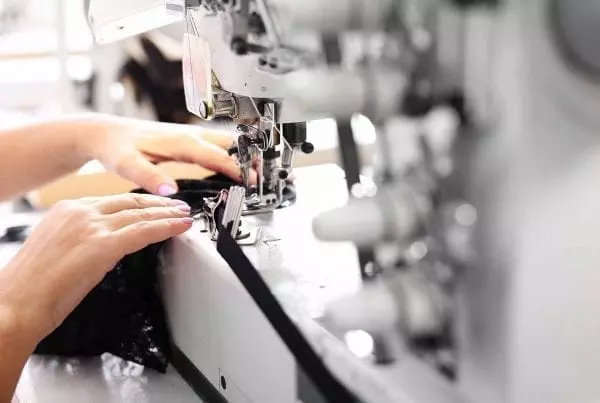
Assembling intimate garments requires highly specialized industrial sewing machines designed for elasticity and delicate materials. Professional equipment is used to create durable, flexible seams that move with the body without fraying. For complex operations, such as attaching elastics or creating reinforced stitching found in bras and briefs, specialized systems provide the necessary tension control. This tooling allows the factory to maintain high speeds while ensuring that internal seams remain soft and irritation-free.
The Role of Reinforcement and Finishing Tools
Durability in large-scale production is achieved through targeted reinforcement at stress points. Specialized machinery is used to secure straps, hooks, and labels, ensuring they can withstand daily wear and repeated washing. These systems can be programmed for specific patterns, providing consistent strength across every unit. By automating these critical reinforcement steps, the manufacturer can guarantee the structural integrity of the garment without sacrificing the efficiency of the assembly line.
Optimizing Production with Material Handling Systems
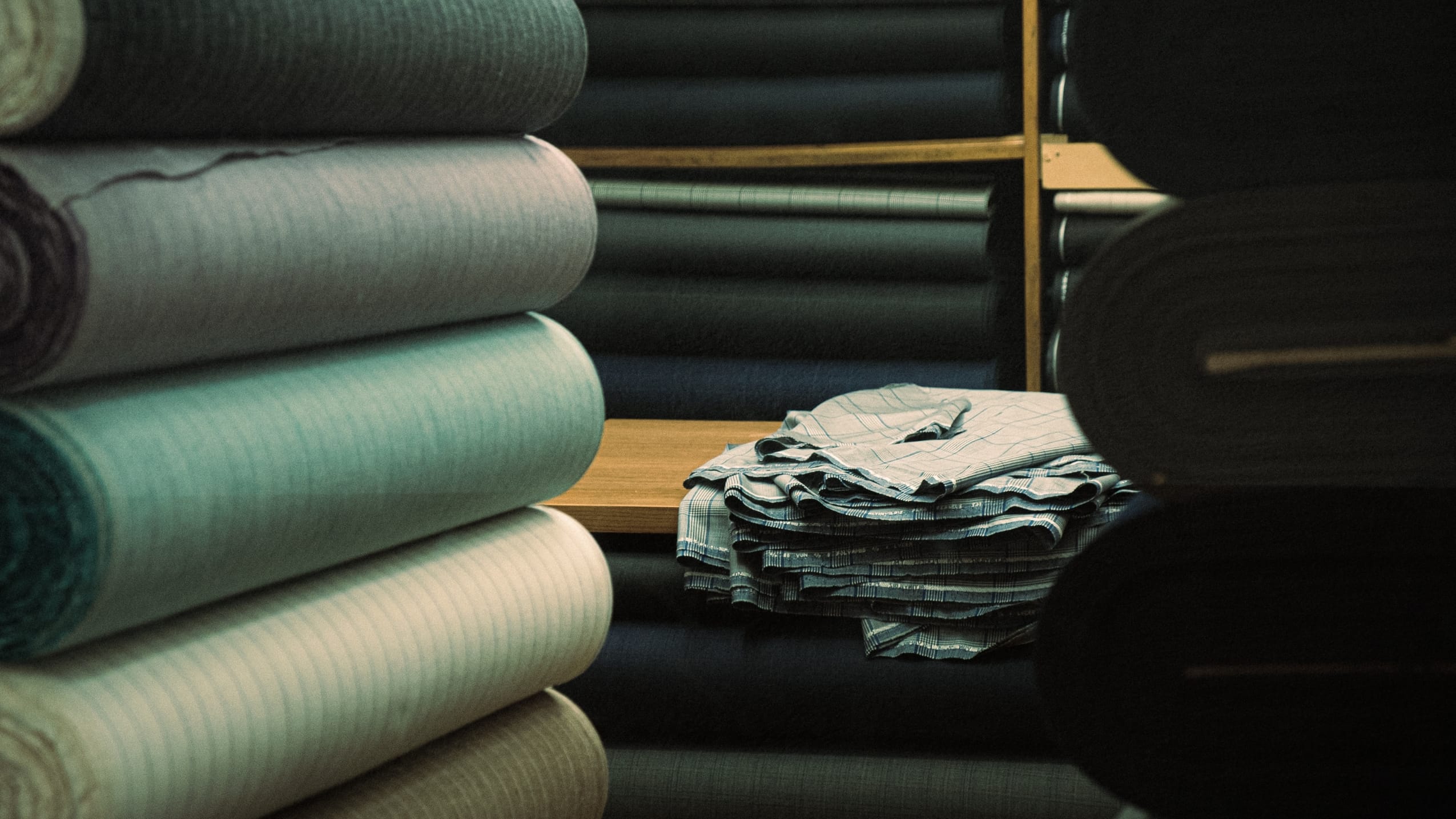
To sustain a daily capacity of tens of thousands of items, the physical movement of goods through the factory must be as precise as the sewing itself. Specialized material handling systems and automated fabric spreading equipment ensure that materials are fed into the production line without tension or distortion. This technical infrastructure prevents fabric stretching before it is even cut, protecting the final dimensions of the garment. This synchronized flow between machines and departments is what enables a large-scale facility to operate with high-level agility.
Branded Packaging and Final Stage Automation
The technology behind manufacturing extends all the way to the final presentation. Automated packaging systems are used to fold, bag, and label finished products according to the specific branding requirements of the client. Whether it is applying heat-transfer labels or preparing retail-ready boxes, this final stage of specialized tooling ensures that the high quality of the manufacturing is reflected in the packaging. By automating these final touches, the facility ensures that every order is organized and ready for immediate global distribution.
The Precision of Automated Cutting Systems
High-volume manufacturing begins with the ability to cut thousands of identical fabric pieces with absolute consistency. Advanced facilities utilize automated cutting systems that can process multiple layers of fabric—such as cotton, Lycra, and spandex—simultaneously. These machines use digital patterns to optimize fabric layout, significantly reducing material waste. For intimate wear, where the curvature of the pattern determines the final comfort, this level of precision ensures that every piece produced is an exact replica of the approved prototype.
Technical Excellence in Sewing Machinery
Assembling intimate garments requires highly specialized industrial sewing machines designed for elasticity and delicate materials. Professional equipment is used to create durable, flexible seams that move with the body without fraying. For complex operations, such as attaching elastics or creating reinforced stitching found in bras and briefs, specialized systems provide the necessary tension control. This tooling allows the factory to maintain high speeds while ensuring that internal seams remain soft and irritation-free.
The Role of Reinforcement and Finishing Tools
Durability in large-scale production is achieved through targeted reinforcement at stress points. Specialized machinery is used to secure straps, hooks, and labels, ensuring they can withstand daily wear and repeated washing. These systems can be programmed for specific patterns, providing consistent strength across every unit. By automating these critical reinforcement steps, the manufacturer can guarantee the structural integrity of the garment without sacrificing the efficiency of the assembly line.
Optimizing Production with Material Handling Systems
To sustain a daily capacity of tens of thousands of items, the physical movement of goods through the factory must be as precise as the sewing itself. Specialized material handling systems and automated fabric spreading equipment ensure that materials are fed into the production line without tension or distortion. This technical infrastructure prevents fabric stretching before it is even cut, protecting the final dimensions of the garment. This synchronized flow between machines and departments is what enables a large-scale facility to operate with high-level agility.
Branded Packaging and Final Stage Automation
The technology behind manufacturing extends all the way to the final presentation. Automated packaging systems are used to fold, bag, and label finished products according to the specific branding requirements of the client. Whether it is applying heat-transfer labels or preparing retail-ready boxes, this final stage of specialized tooling ensures that the high quality of the manufacturing is reflected in the packaging. By automating these final touches, the facility ensures that every order is organized and ready for immediate global distribution.