Precision in Small Details: Why Intimate Apparel Requires More Expertise Than Standard Fashion
The Technical Challenge of Anatomical Fit
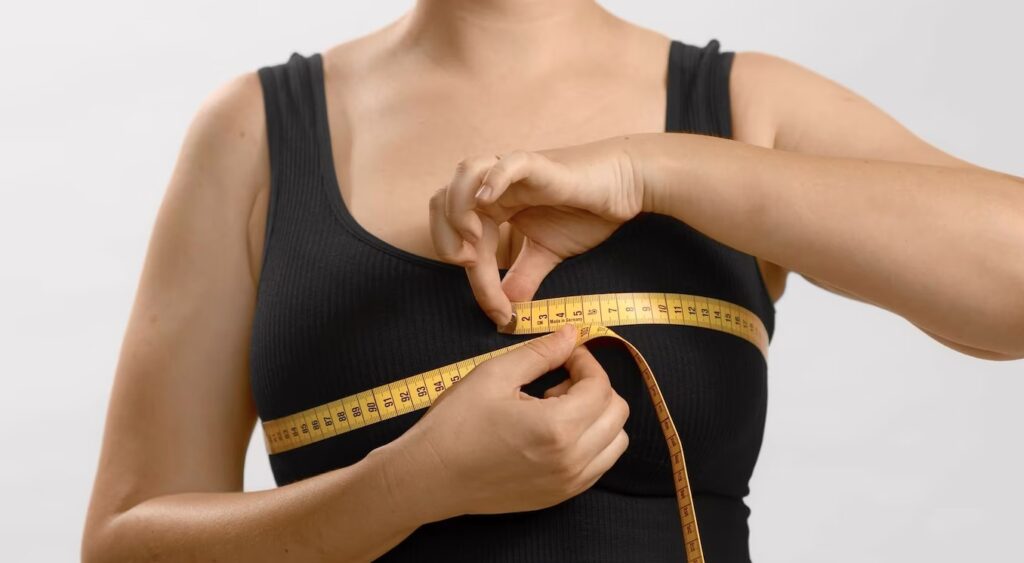
Unlike standard outerwear, where a looser silhouette can often hide minor structural variations, intimate apparel must adhere perfectly to the body's contours. Every millimeter of measurement is critical. Achieving an anatomical fit that provides support without restriction requires a deep understanding of body mechanics and fabric tension. The expertise lies in creating a garment that feels invisible to the wearer while performing a complex structural role, a balance that only specialized manufacturers can consistently achieve.
Managing High-Stretch and Delicate Fabrics
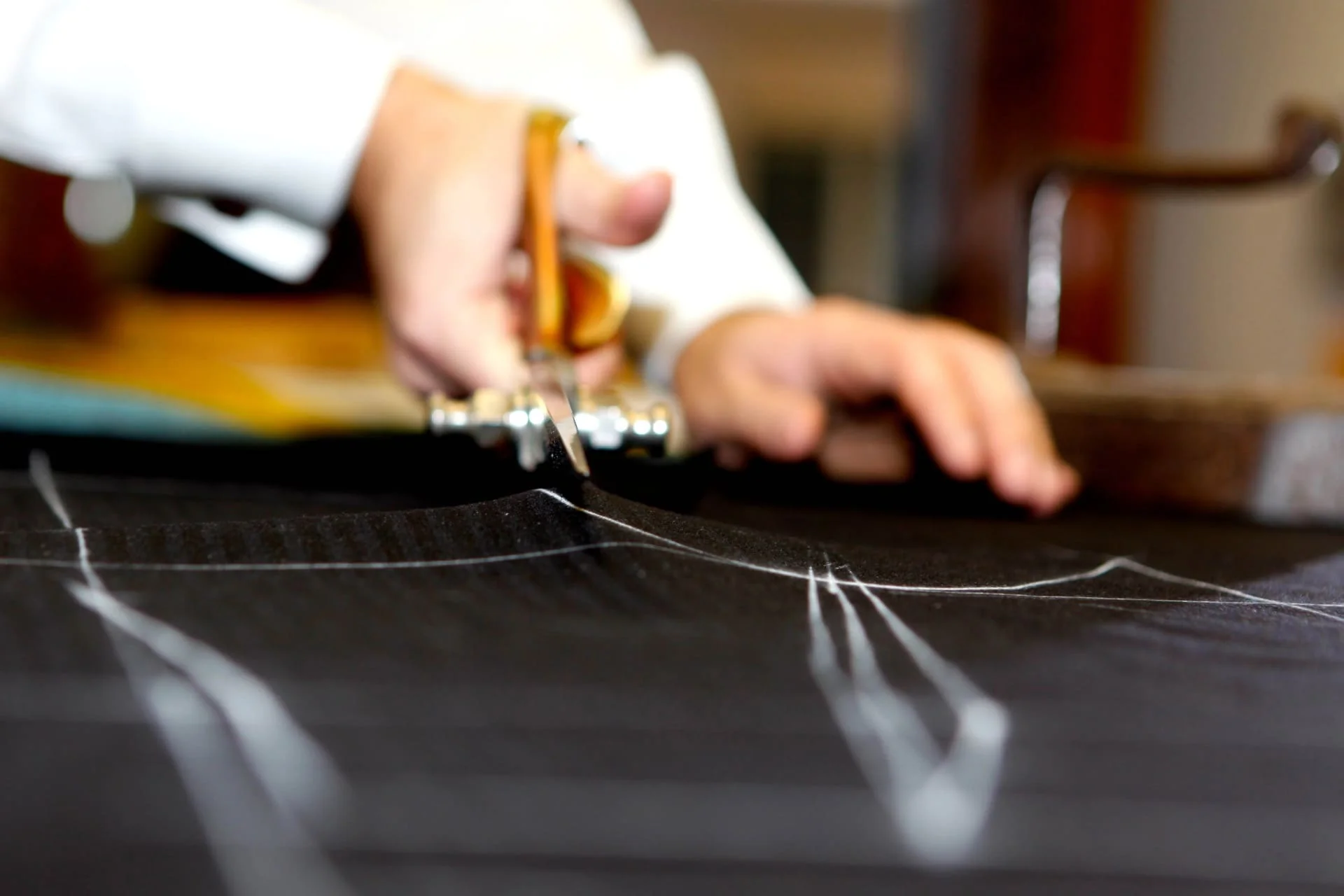
Intimate wear is primarily composed of lightweight, high-stretch materials like fine cotton, lace, and microfiber. These fabrics are notoriously difficult to handle, as they can easily shift or stretch during the cutting and sewing process. Expert manufacturers use specialized "tension-free" spreading machines and extremely sharp, small-gauge needles to prevent fabric damage. Mastering the interaction between these delicate materials and high-speed industrial machinery is a skill set that takes years to refine and is rarely found in general garment production.
The Complexity of Internal Seam Engineering
Because intimate garments are worn directly against the most sensitive areas of the skin, the engineering of internal seams is a primary concern. Standard seams can cause irritation or chafing; therefore, specialized techniques such as flat-locking or overlocking with high-filament threads are required. This level of precision ensures that the seams are strong enough to withstand daily wear but soft enough to remain unnoticeable. It requires specific machinery and a workforce trained in "soft-stitch" technology to ensure total wearer comfort.
Multi-Component Assembly in Miniature
A single pair of technical briefs or a structured bra can contain more components—such as elastics, gussets, hooks, and diverse fabric panels—than a standard t-shirt. Assembling these small, intricate parts requires high levels of manual dexterity and specialized workstations. The expertise is found in the ability to maintain 100% symmetry across thousands of units. When dealing with such small surface areas, even a slight misalignment is immediately visible and can ruin the functionality of the garment.
Strict Quality Benchmarks for "Skin-Contact" Goods
The quality benchmarks for intimate apparel are significantly higher than for standard fashion. Beyond the aesthetic finish, there is a focus on chemical safety and physical durability. Every component must be tested for skin-contact safety to ensure no irritants are present in the dyes or elastics. An expert manufacturing partner understands these niche regulatory requirements and implements rigorous testing protocols, ensuring that the final product is not only beautiful but also safe and durable for long-term daily use.
Unlike standard outerwear, where a looser silhouette can often hide minor structural variations, intimate apparel must adhere perfectly to the body's contours. Every millimeter of measurement is critical. Achieving an anatomical fit that provides support without restriction requires a deep understanding of body mechanics and fabric tension. The expertise lies in creating a garment that feels invisible to the wearer while performing a complex structural role, a balance that only specialized manufacturers can consistently achieve.
Managing High-Stretch and Delicate Fabrics
Intimate wear is primarily composed of lightweight, high-stretch materials like fine cotton, lace, and microfiber. These fabrics are notoriously difficult to handle, as they can easily shift or stretch during the cutting and sewing process. Expert manufacturers use specialized "tension-free" spreading machines and extremely sharp, small-gauge needles to prevent fabric damage. Mastering the interaction between these delicate materials and high-speed industrial machinery is a skill set that takes years to refine and is rarely found in general garment production.
The Complexity of Internal Seam Engineering
Because intimate garments are worn directly against the most sensitive areas of the skin, the engineering of internal seams is a primary concern. Standard seams can cause irritation or chafing; therefore, specialized techniques such as flat-locking or overlocking with high-filament threads are required. This level of precision ensures that the seams are strong enough to withstand daily wear but soft enough to remain unnoticeable. It requires specific machinery and a workforce trained in "soft-stitch" technology to ensure total wearer comfort.
Multi-Component Assembly in Miniature
A single pair of technical briefs or a structured bra can contain more components—such as elastics, gussets, hooks, and diverse fabric panels—than a standard t-shirt. Assembling these small, intricate parts requires high levels of manual dexterity and specialized workstations. The expertise is found in the ability to maintain 100% symmetry across thousands of units. When dealing with such small surface areas, even a slight misalignment is immediately visible and can ruin the functionality of the garment.
Strict Quality Benchmarks for "Skin-Contact" Goods
The quality benchmarks for intimate apparel are significantly higher than for standard fashion. Beyond the aesthetic finish, there is a focus on chemical safety and physical durability. Every component must be tested for skin-contact safety to ensure no irritants are present in the dyes or elastics. An expert manufacturing partner understands these niche regulatory requirements and implements rigorous testing protocols, ensuring that the final product is not only beautiful but also safe and durable for long-term daily use.