Economic Impacts: How the Textile Industry is Shaping Northern Albania’s Growth
A Pillar of the Regional Economy
The textile and footwear industry remains one of the most critical drivers of economic activity in Northern Albania, particularly in the Shkodër region. For decades, this sector has acted as a primary engine for local development, providing a stable source of income for thousands of families. As the largest exporting group in the country, the garment industry accounts for approximately 30% of total national exports. This concentration of industrial activity has not only fueled regional trade but has also stimulated growth in supporting sectors, from logistics and transportation to local services and infrastructure development.
Empowerment Through Large-Scale Employment
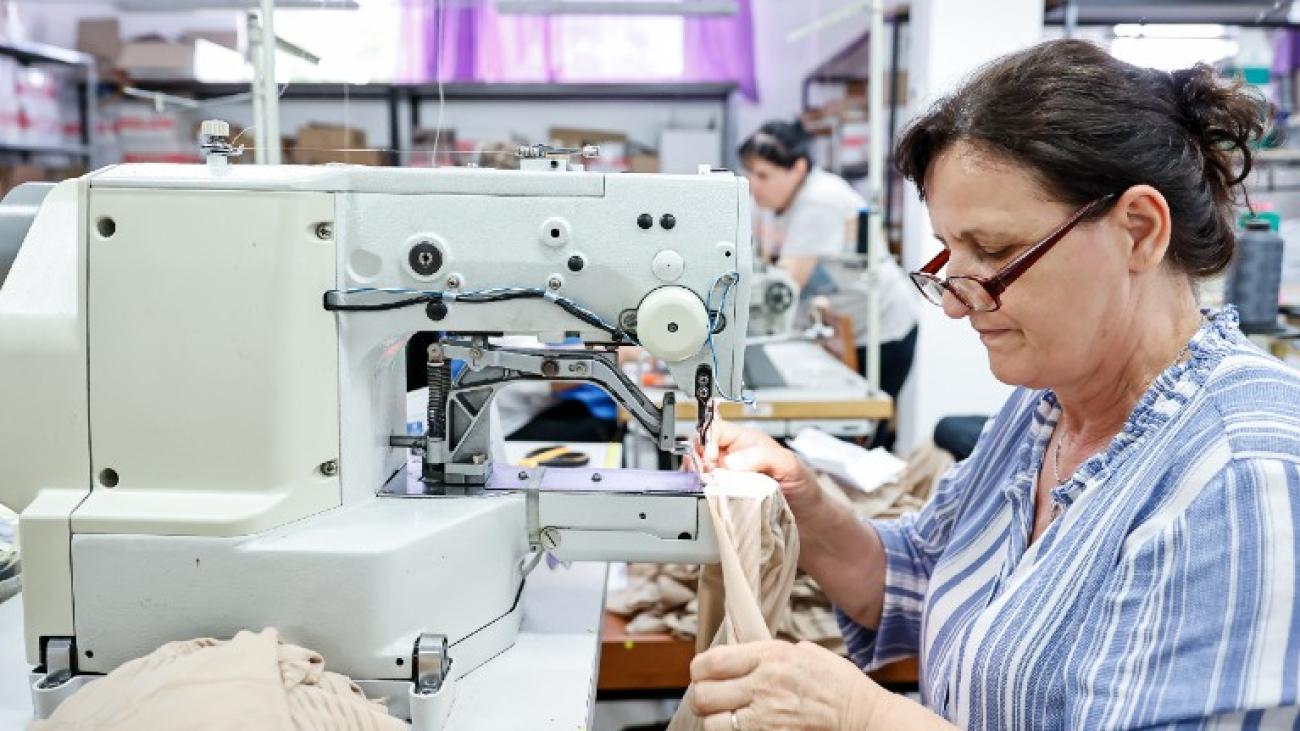
One of the most profound social and economic impacts of the textile sector is its role in the labor market. In Northern Albania, garment factories provide tens of thousands of jobs, with women representing a significant majority—often over 80%—of the workforce. For many in small towns and rural areas where alternative employment options are limited, these facilities offer essential opportunities for financial independence and professional development. This large-scale employment has been a fundamental force in reducing local poverty and building a resilient, skilled middle class within the community.
The Shift Toward High-Value Manufacturing
While the industry historically relied on low-cost production models, there is a visible transition toward more sophisticated manufacturing. Established facilities are increasingly investing in modern technology and specialized training to handle complex products like high-end intimate wear and technical garments. This evolution from simple assembly to "full-package" services—including design support and precision quality control—is raising the region's profile on the global stage. By moving up the value chain, Northern Albanian producers are ensuring that the local economy remains competitive in an increasingly demanding international market.
Integration into European Value Chains
Albania’s strategic geographical location has allowed the Northern textile hub to become deeply integrated into European supply chains. Close proximity to major fashion markets like Italy and Germany facilitates rapid turnaround times and lower transportation costs, making the region a preferred nearshoring destination. This integration encourages a continuous flow of foreign investment and technical "know-how" into the local economy. As international brands seek more agile and sustainable production alternatives to Asian hubs, Northern Albania’s role as a reliable European partner continues to strengthen regional economic ties.
Sustainability and Future Resilience
As global standards shift toward ethical and environmentally friendly production, the Albanian textile industry is adapting to meet these new expectations. Many factories are now implementing resource-efficient practices and pursuing international certifications to demonstrate their commitment to sustainability. This forward-looking approach is essential for long-term economic resilience, as it aligns local production with the values of modern global consumers. By balancing industrial output with responsible practices, the sector is not just contributing to today's growth but is securing a sustainable economic future for the entire region.
The textile and footwear industry remains one of the most critical drivers of economic activity in Northern Albania, particularly in the Shkodër region. For decades, this sector has acted as a primary engine for local development, providing a stable source of income for thousands of families. As the largest exporting group in the country, the garment industry accounts for approximately 30% of total national exports. This concentration of industrial activity has not only fueled regional trade but has also stimulated growth in supporting sectors, from logistics and transportation to local services and infrastructure development.
Empowerment Through Large-Scale Employment
One of the most profound social and economic impacts of the textile sector is its role in the labor market. In Northern Albania, garment factories provide tens of thousands of jobs, with women representing a significant majority—often over 80%—of the workforce. For many in small towns and rural areas where alternative employment options are limited, these facilities offer essential opportunities for financial independence and professional development. This large-scale employment has been a fundamental force in reducing local poverty and building a resilient, skilled middle class within the community.
The Shift Toward High-Value Manufacturing
While the industry historically relied on low-cost production models, there is a visible transition toward more sophisticated manufacturing. Established facilities are increasingly investing in modern technology and specialized training to handle complex products like high-end intimate wear and technical garments. This evolution from simple assembly to "full-package" services—including design support and precision quality control—is raising the region's profile on the global stage. By moving up the value chain, Northern Albanian producers are ensuring that the local economy remains competitive in an increasingly demanding international market.
Integration into European Value Chains
Albania’s strategic geographical location has allowed the Northern textile hub to become deeply integrated into European supply chains. Close proximity to major fashion markets like Italy and Germany facilitates rapid turnaround times and lower transportation costs, making the region a preferred nearshoring destination. This integration encourages a continuous flow of foreign investment and technical "know-how" into the local economy. As international brands seek more agile and sustainable production alternatives to Asian hubs, Northern Albania’s role as a reliable European partner continues to strengthen regional economic ties.
Sustainability and Future Resilience
As global standards shift toward ethical and environmentally friendly production, the Albanian textile industry is adapting to meet these new expectations. Many factories are now implementing resource-efficient practices and pursuing international certifications to demonstrate their commitment to sustainability. This forward-looking approach is essential for long-term economic resilience, as it aligns local production with the values of modern global consumers. By balancing industrial output with responsible practices, the sector is not just contributing to today's growth but is securing a sustainable economic future for the entire region.