How Outsourcing to Specialized Factories Reduces Operational Overhead
Eliminating Capital Expenditure on Infrastructure
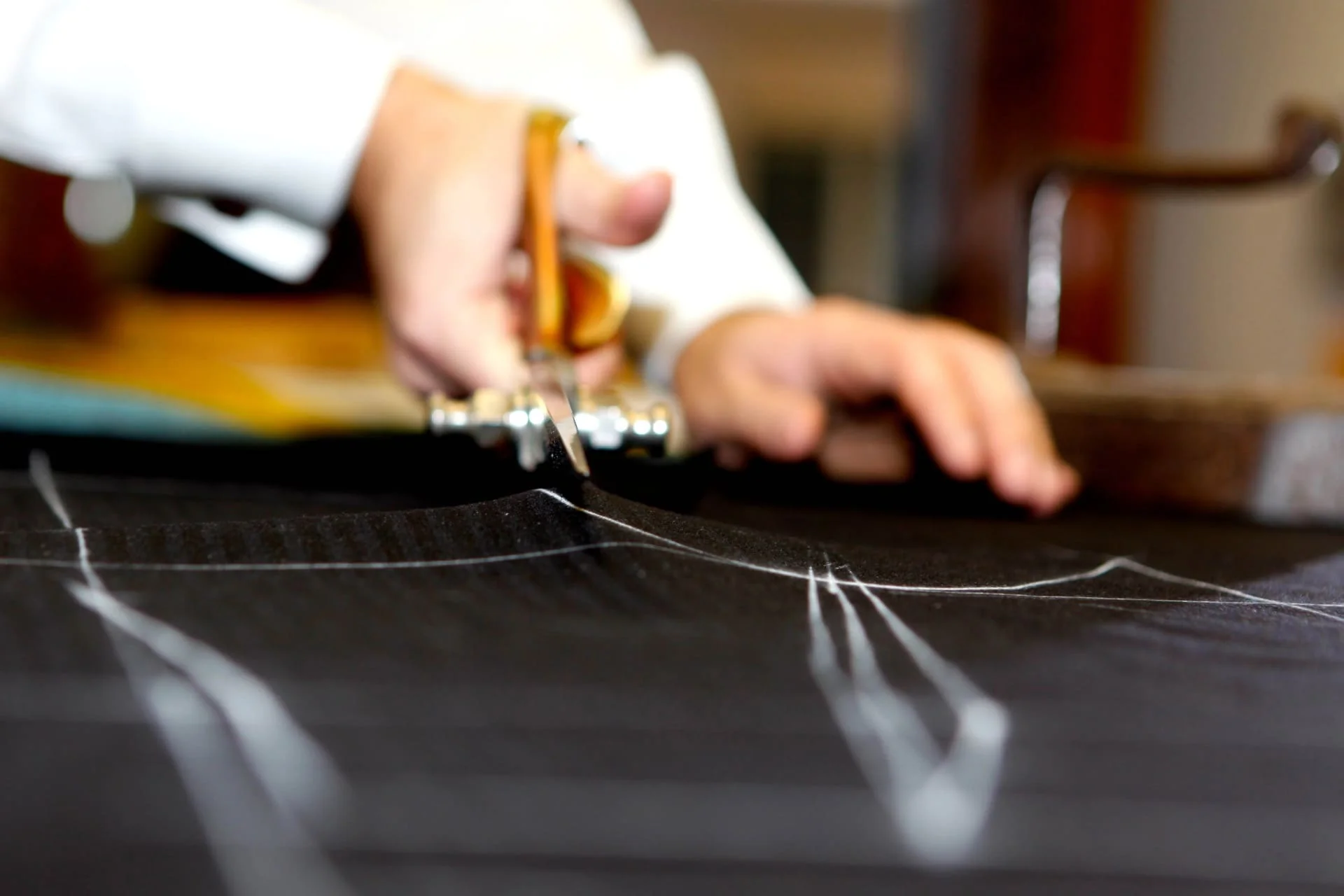
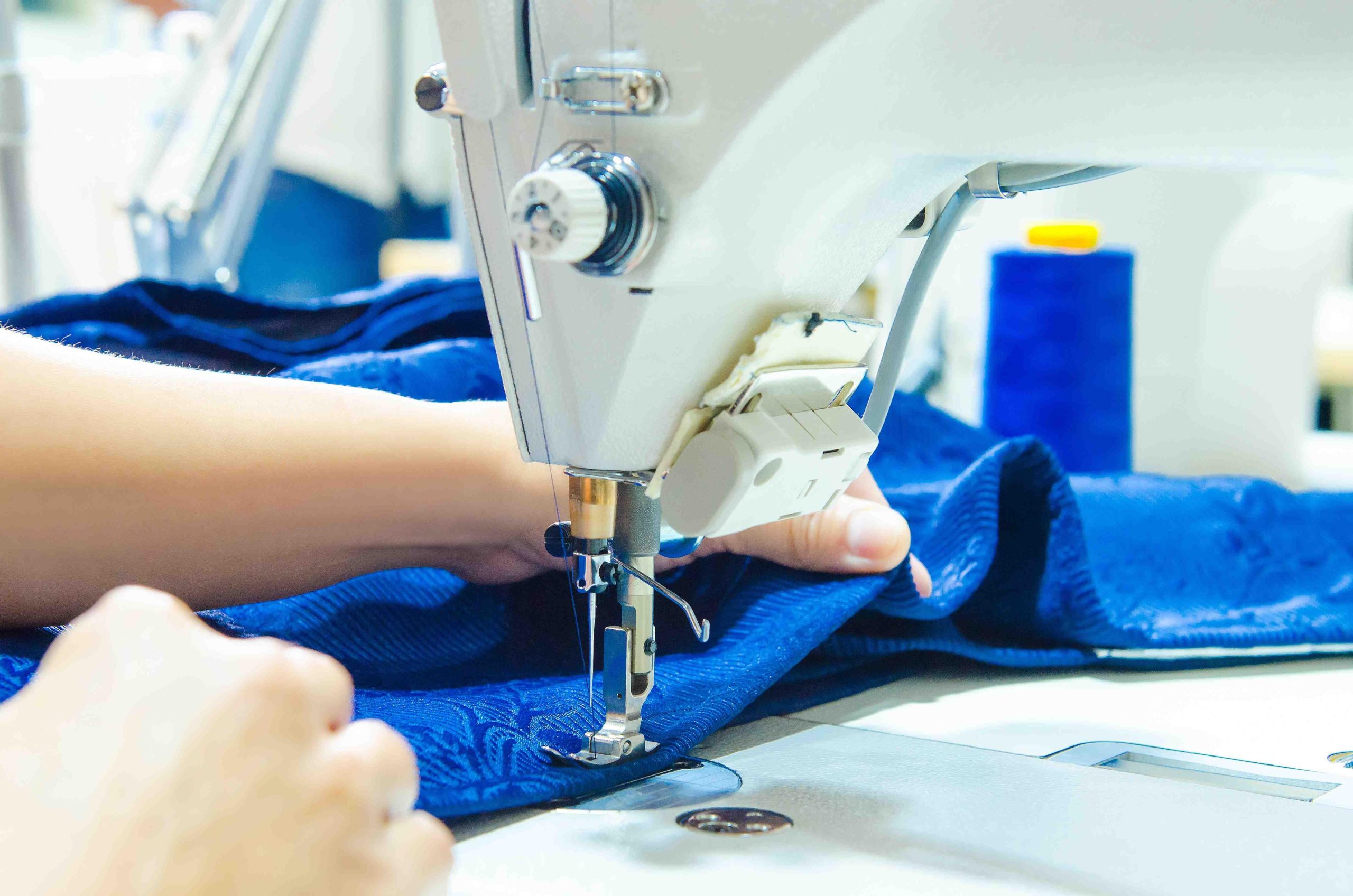
One of the most significant barriers to scaling a fashion brand is the immense cost of maintaining a physical factory. By partnering with an established manufacturing facility, brands bypass the need to invest in expensive machinery, high-capacity cutting tools, and specialized sewing equipment. This shift from fixed capital expenses to variable production costs allows businesses to redirect their financial resources toward marketing, design, and market expansion rather than industrial maintenance.
Accessing an Immediate Expert Workforce
Recruiting, training, and managing hundreds of specialized workers is a complex and costly operational challenge. Outsourcing provides instant access to a pre-trained workforce with deep expertise in specific niches, such as intimate apparel and high-volume garment assembly. This eliminates the overhead associated with HR management, specialized training programs, and the administrative burden of local labor compliance, ensuring that production starts at peak efficiency from day one.
Streamlining Supply Chain and Inventory Management
Specialized factories often operate as central hubs for material handling, quality control, and packaging. When a brand utilizes these services, they reduce the need for secondary storage facilities and separate quality assurance teams. Professional manufacturers manage the flow of goods from raw fabric to ready-to-sell products, significantly slimming down the brand's internal logistics department and reducing the overhead typically spent on multi-stage supply chain coordination.
Leveraging Economies of Scale without the Risk
A major operational advantage of outsourcing is the ability to tap into the factory’s existing economies of scale. Established manufacturers produce tens of thousands of units daily, allowing them to optimize energy consumption, waste management, and material usage in ways a smaller, brand-owned facility could not. This high-efficiency environment lowers the cost per unit, providing the brand with a competitive edge and higher profit margins as they grow their order volumes.
Focusing on Core Business Growth
Ultimately, reducing operational overhead is about reclaiming time and focus. When the complexities of daily factory management—from machine repairs to production scheduling—are handled by a trusted partner, brand owners can focus entirely on high-level strategy and sales. This professional division of labor ensures that the brand remains agile and responsive to market trends while the manufacturing partner ensures a steady, high-quality supply of products.
One of the most significant barriers to scaling a fashion brand is the immense cost of maintaining a physical factory. By partnering with an established manufacturing facility, brands bypass the need to invest in expensive machinery, high-capacity cutting tools, and specialized sewing equipment. This shift from fixed capital expenses to variable production costs allows businesses to redirect their financial resources toward marketing, design, and market expansion rather than industrial maintenance.
Accessing an Immediate Expert Workforce
Recruiting, training, and managing hundreds of specialized workers is a complex and costly operational challenge. Outsourcing provides instant access to a pre-trained workforce with deep expertise in specific niches, such as intimate apparel and high-volume garment assembly. This eliminates the overhead associated with HR management, specialized training programs, and the administrative burden of local labor compliance, ensuring that production starts at peak efficiency from day one.
Streamlining Supply Chain and Inventory Management
Specialized factories often operate as central hubs for material handling, quality control, and packaging. When a brand utilizes these services, they reduce the need for secondary storage facilities and separate quality assurance teams. Professional manufacturers manage the flow of goods from raw fabric to ready-to-sell products, significantly slimming down the brand's internal logistics department and reducing the overhead typically spent on multi-stage supply chain coordination.
Leveraging Economies of Scale without the Risk
A major operational advantage of outsourcing is the ability to tap into the factory’s existing economies of scale. Established manufacturers produce tens of thousands of units daily, allowing them to optimize energy consumption, waste management, and material usage in ways a smaller, brand-owned facility could not. This high-efficiency environment lowers the cost per unit, providing the brand with a competitive edge and higher profit margins as they grow their order volumes.
Focusing on Core Business Growth
Ultimately, reducing operational overhead is about reclaiming time and focus. When the complexities of daily factory management—from machine repairs to production scheduling—are handled by a trusted partner, brand owners can focus entirely on high-level strategy and sales. This professional division of labor ensures that the brand remains agile and responsive to market trends while the manufacturing partner ensures a steady, high-quality supply of products.